West Papua Problem Will Only be Solved in Melanesian Way, by Melanesian Leaders

West Papua Liberation Army (WPRA) Secretary-General, towards the end term of his office before the secretariat-general office is being ended by its Commander in Chief, Gen. WPRA Mathias Wenda, made a public statement last night that “West Papua Problem Will Only be Solved in Melanesian Way, by Melanesian leaders“, in reply to written questions sent by PMNews (Free West Papua News at papuapost.com via Email and Mobile Text Message.

PMNews: Hello, this is from PMNews again, we would like to ask some questions in relation to current development of West Papua independence campaign. It was reported recently that the Solomon Islands Prime Minister as the Chair of Melanesian Spearhead Group (MSG) has toured and met other Melanesian leaders, except the PNG Prime Minister. What do you make out of this development?

WPRA: We thank to God, Almighty, creator of our Melanesian Islands, particularly the home of Melanesians, the Isle of New Guinea, and to our Melnaesian leaders, who are already standing up for their own people and our common identity as Melanesians.

About the current progress of MSG Chair meeting other MSG leaders, we are really grateful that this is happening. About MSG Chair not yet met PNG Premier, please PMNews,do not worry about this. This is exactly we call “The Melaensian Way”. The most obvious feature of the “Melanesian Way” is: UNPREDICTABLE. Please not it, Melanesians are unpredictable, what we do always unpredictable. When Barack Obama, Donal Trump, T. May, Joko Widodo say something, then most of us will be able to predict what they mean and what they imply at the same time. But when Melanesian peoples say something, they can mean something totally different, it is just unpredictable.

PMNews: United Liberation Movement for West Papua (ULMWP) was promised to be accepted as Full Member of the MSG by early 2017, but this did not happen. Do you think this is also related to “The Melanesian Way”?

WPRA: You are absolutely right. You got it now. That is exactly why I said, we are Melanesians, and we are unpredictable.What we do is the same as the modern world do things. Melanesians are Melanesians. West Papua Issue is now Melanesian Issue, and we are now already dealing with it. Do not do things in Melanesia according to the Western mindset. It will have a counter-productive outcome.

PMNews: Does it mean Melanesian leaders can make promises but then it is OK if they do not deliver?

WPRA: You were already good in previous question, but now you got it wrong in this question. PLEASE: Do not focus on semi-membership and full-membership. That is western mind. Please focus on “membership”. Full stop. ULMWP is ALREADY a member of the MSG, full stop.

Be thankful, work on it, cultivate and nurture communication and collaboration with Melanesian leaders, our own leaders. Do not treat PNG Premier and Solomon Premier as different peoples. They are just one: Melanesian leaders.

West Papua just born into Melanesian family, a new born baby. Do not ask for food yet, milk first. Work first, cultivate first, nurture first, then things will evolve automatically and naturally. We are not talking about other peoples. We are talking about our own Melanesia and Melanesians. Think in Melanesian Way, Act in Melanesian Way.

PMNews: Elaborate more on the “Melaensian Way” that you are talking about.

WPRA: Just one short story. If you want a girl from another clan, what do you normally do? You must behave, you must show yourself capable man, know how to build house, make garden, and be a man, a husband. If your thinking and behavior is like a small kids, no woman will be willing to marry you, no clan will approve you to get their daughter.

You do not need to go around, you do not need to go to their men’s houses and put notice and distribute leaflets asking for support for your marriage with the girl. You do not need to ask other boys to join you in your demonstration. That will make the whole thing counter-productive, right?

What you should do is “behave”, do things that Melanesian peoples do in order to get attention, and in order to get support!

When we Melanesians live long time in the west, then we forget our own Melanesian Way. This is why we say we are Melanesians, but we do in western way. “Our Voice is like that of Jacob’s, but our skin feels like that of Esau’s”. What a game we are into now.

Get out from there. Be Melanesians, do things in Melanesian Way.

Everything is already on the right track. Nothing to worry about. Just TRUST….

  1. Trust in God and His miracles;
  2. Trust in Melanesia and Melanesian leaders’ wisdom
  3. Trust in Yourselves as Melanesians in West Papua.

And then…

  1. As far as possible, avoid to trust opinion from Non-Melanesian(s), because they have their own interests and we do not want them to change our course into their course;
  2. As far as possible, DELETE doubt in yourself, and in your own Melanesian peoples, because that is the deadliest disease that we can have in order to destroy us Melanesians and our future; and
  3. Only then, you can have the capability to absorb and comprehend ideas and suggestions from outside Melanesia, and then you can properly make use of things coming from outside.

PMNews: Your advice is not really easy, because we are in a globalised world, out West Papuan leaders now live in the West and we do not know what things they are getting from there and what things they want to use to Free West Papua.

WPRA: The right Melanesian leaders from West Papua will choose to live in one of Melanesian states, just like what Any Ayamiseba and The Late Dr. OPM John Otto Ondawame did. If they choose to live in the western countries, we will surely know that they dot not FULLY represent West Papuans, but they PARTLY represent non-Melanesians as well.

PMNwes: Any advice for Melanesian youths in West Papua and all over Indonesia?

WPRA: Not now, nothing to say for them right now.

Since 2004, WPRA has already been active in building bases for Free West Papua Campaign across Melanesian states. Since 2006, or ten years ago, we already have moved the Field  of West Papua Political Match from Western New Guinea to Eastern New Guinea. Therefore, the match now is happening in PNG, Solomon Islands, Fiji, Kanaky and Vanuatu, not in West Papua or Indonesia anymore.

There is no comment for spectators. When there is a match, people normally give comments on the match, not on the spectators. Thank you.
 

Fokuskan Perjuangan di Kawasan Melanesia, Jangan Kita Terbawa Arus ke-Barat-Barat-an

Utusan Khusus Jenderal TPN/OPM Mathias Wenda dikirim ke Eropa pada tahun 1998 dan bergerilya di kota-kota di Eropa selama hampir 2 tahun, sebelum akhirnya dipanggil pulang tahun 2000 untuk mengikuti Kongres Rakyat Papua 2000 dan diutus kembali tahun 2001 – 2003.Tahun 2004 – 2006 diberi tugas lagi untuk melakukan gerilya kota-kota Melanesia. Utusan Khusus Mathias Wenda bertemu Senior OPM Andy Ayamiseba dan Senor Dr. OPM John Otto Ondawame di Port Vila, Republik Vanuatu. Para utusan disambut dengan sambutan militer oleh Dr. OPM Otto Ondawame di Lapangan terbang Internasional Port Vila.

Dalam perjalanan regilya kota-kota ini telah meninggalkan banyak sekali cerita yang tidak mudah dilupakan, terutama bagi para pasukan TPN/OPM di Markas Pusat Pertahanan. Banyak juga peristiwa bersejarah yang pernah terjadi. Salah satu hasil dari perjalanan ini ialah gagasan untuk memisahkan TPN dari OPM, dengan cara TPN memisahkan diri dari OPM dan salah dua hasil adalah memfokuskan perjuangan Papua Merdeka di kawasan Melanesia.

Peristiwa pemisahan diri TPN dari OPM terjadi pada tahun 2006 dalam Kongres TPN/OPM yang berlangsung di Markas Pusat TPN/OPM, dipimpin langsung oleh Jenderal TPN/OPM Mathias Wenda.

Dalam sidang itu, TPN memisahkan diri secara resmi dari OPM dan menamakan dirinya sebagai Tentara Revolusi West Papua.

Sedangkan perjuangan Papua Merdeka mulai tahun 2006 diarahkan ke kawasan Melanesia. Banyak pertemuan dengan para tokoh politik dilakukan berulang-ulang, secara undercover. Istilah TRWP ialah gerilya kota. Lobi-lobi pribadi telah dilakukan sejak tahun 2006 di Papua New Guinea. Sedangkan lobi-lobi di Vanuatu sudah berlangsung sejak 2004. Maksud lobi bukan lobi politik, tetapi lobi pendekatan adat mengingat masyarakat Melanesia sampai hari ini sampai besok-pun masih tetap masyarakat adat.

Pada tahun 2001, utusan khusus TPN/OPM bertemu dengan Mr. Mortimer, Sekretaris 1 dari Kofi Annan, Sekjen PBB di Geneva Swiss Waktu itu utusan Khusus TPN/OPM melakukan intervensi di Sidang Minority Rights Group, di mana Utusan Khusus TPN/OPM diangkat menjadi Chairman dari salah satu sidang di sana. Dalam pertemuan itu Utusan TPN/OPM bertemu dengan Direktur Utama Palang Merah Internasional untuk menyampaikan Protes atas Peristiwa Berdarah Mapenduma mengakhiri penyanderaan oleh Jenderal TPn/OPM Kelly Kwalik waktu itu.

Mr. Mortimer mengatakan kalimat-kalimat ini, sebagaimana diceritakan kepada PMNews:

  • Mortimer: Where are you from?
  • TPN/OPM: West Papua?
  • Mortimer: Where is West Papua?
  • TPN/OPM: It is nearby Australia?
  • Mortimer: What region is it? Middle East? Africa?
  • TPN/OPM: No. Oceania, South Pacific, Melanesia.
  • Mortimer:  How many Melanesian countries are there?
  • TPN/OPM: Four already Independent states, and three are still fighting.
  • Mortimer:  Ok. Good. Mr. Annan was the UN Staff during the Act of Free Choice. He knows what had happened when you were still children, he knows the history, he was part of the history of West Papua. You do not need to teach him about West Papua history. What you should do now is Go to your Melanesian states, mobile support from the four already independent states, and let them bring West Papua issue to the UN, not you. OK? I do not want to see your face here, from now, from this place, I do not want to see you anymore. You go to your people, mobile their support, and come back here, not here, but to New York, not yourself, but with your Melanesian leaders, presidents or prime ministers. That is the only way. Then you go to African countries.
    (Setelah mengatakan ini, di amengeluarkan tangannya dan katakan, mari keluarkan tanganmu) Lalu dia katakan
    Do you see the colour? My colour is different from your colour. Here we are just playing Mr. Annan is your colour, Melanesia is your colour, Africa is your colour. Just follow the colour, then you get the real outcome.
  • TPN/OPM: I realy thank you very much, on behalf of my heroes, my elders, my leaders and myself.
  • Mortimer: Off you go. Here is my Card, if anything happen to you, just email me, phone me right away.
  • TPN/OPM: Off, saya keluar dari sidang, angkat barang, dan pulang ke Tanah Papua, Papua New Guinea.

Semoga dari cerita singkat ini, membawa manfaat bagi kita.

Kita harus merasa kecil, merasa tidak berarti, merasa tidak ada arti sama sekali dari hari ke hari, maka Dia yang menciptakan kita, pahlawan yang mendahului kita, dan tanah leluhur kita akan mengangkat kita, menjadi pelayan.

A. Tabi Menanggapi Catatan A. Ayamiseba: Kalahkan Ego Sendiri Dulu untuk Kalahkan NKRI

Dalam sejarah manusia di seluruh dunia, baik yang tercatat dalam Kitab Suci agama-agama modern, atau juga dalam agama-agama tua dan ajaran-ajaran dan cerita adat di mana-mana, telah dicatat ber-ulang-ulang, diceritakan dan dikhotbahkan di mana-mana, secara prinsipil mengatakan bahwa “para pemenang adalah mereka yang berani dan berhasil mengalahkan ego sendiri”.

Cerita Yesus Kristus merupakan cerita yang paling mudah kita jadikan sebagai salah satu dari mereka. Yesus menjadi Juruselamat umat manusia di dunia, sepanjang masa, itu menurut pengakuan salah satu agama modern, Agama Kristen. Apa yang dilakukan Yesus Kristus adalah salah-satu patokan, dan jelas menjadi patokan utama dalam perjuangan Papua Merdeka, karena hampir 90% penduduk OAP adalah beragama Kristen.

Kita selalu merayakan Hari Kelahiran Yesus Kristus yang kita sebut Hari Natal dan Hari Kematian Yesus Kristus, yang kita sebut Minggu Paskah. Kedua peristiwa ini adalah peristiwa di mana “Yesus Mengalahkan Ego-Nya” dan menyerahkan sepenuhnya kepada kedaulatan dan kekuasaan Allah Bapa.

Yesus meninggalkan kerajaan-Nya, kekuasan-Nya, kemuliaan-Nya, dan segala yang Ia miliki sebagai seorang Raja di atas tahta-Nya di Surga, dan rela lahir sebagai seorang bayi adalah sebuah “penyangkalan ego dan secara otomatis mengalahkan ego-Nya”.

Setelah Yesus menjalani kehidupan sebagai seorang manusia, sama dengan kita manusia di dunia, sama dengan orang Melanesia, ia rela makan-minum, tidur-bangun, jalan-kerja, lapar, harus, menderita sebagai seorang manusia, sama dengan kita semua. Ia benar-benar, selama 33 tahun, bukan setahun dua tahun, secara berturut-turut, berulang-ulang, mengalahkan ego-Nya.

Proses menuju puncak pengalahan ego-Nya Yesus Kristus merelakan diri-Nya ditangkap, disiksa, dikhianati oleh murid-Nya sendiri, dan disalibkan. Ia berdoa di Zaman Getsemani, yang kita sebut sebagai Konferensi terakhir untuk mengambil sikap Kerajaan Allah terhadap misi Yesus Kristus. Bisa terjadi waktu itu Allah membatalkan proses penyaliban. Yesus sendiri sudah mengeluhkan penderitaan-Nya waktu itu. Tetapi Yesus katakan, “Kehendak-Mu-lah yang jadi,bukan kehendak-Ku”.

Akhirnya di Bukit Tengkorak, Yesus rela disalibkan di kayu salibm dan mati di kayu salib. Secara manusiawi, Yesus bisa saja memerintahkan bala tentara surga untuk menyambutnya dan kedatangan mereka itu pasti saja membumi-hanguskan semua orang yang menghianati, menghukum dan menyalibkan Dia.

Tetapi itu semua tidak terjadi. Semua skenario daging dikalahkan-Nya, semua skenaio ego Yesus dikalahkan-Nya.

Apa hasilnya?

Hasilnya Yesus dikukuhkan secara sah dan mutlak sebagai Raja di atas segala Raja.

Apakah ego saya?

  • Mau jadi terkenal dan dikenal serta ditepuk-tangan selalu oleh orang lain?
  • Sulit meninggalkan kebiasaan merokok dan mabuk-mabukan?
  • Sulit meninggalkan kecanduan narkoba?
  • Sulit meninggalkan nafsu-nafsu duniawi?
  • Sulit menerima masukan dan kritikan?
  • ……

Ego Yesus dikalahkan sebelum Ia mengalahkan Iblis.

Ego tokoh Papua Merdeka harus dikalahkan terlebih dulu sebelum mengalahkan NKRI! Itu rumus baku, rumus revolusioner.

Para tokoh Papua Merdeka, di kota, di kampung, di hutan, di dalam negeri, di luar negeri, senior, yunior, gerilyawan, politisi, aktivis, semuanya, semuanya.

  1. Mari Kita belajar dan jadikan Yesus sebagai Panglima Tertinggi Revolusi West Papua,
  2. Jadikan dirikita mengikuti dan mencontoh secara dekat, teladan yang ditinggalkannya,
  3. Jalannya ialah dengan menyangkal, meninggalkan, dan menyalibkan egoisme pribadi, dan jadikan kepentingan dan penderitaan bangsa Papua dalam konteks West Papua dan penderitaan Melanesia dalam konteks kawasan

Kalau kita masih saja memegang “ego” sebagai Tuhan kita, maka kita akan dikalahkan oleh ego kita sendiri. Jangan pernah bermimpi mengalahkan NKRI, karena sebelum apa-apa kita sudah kalah dari ego sendiri.

Andy Ayamiseba: Aktivis Abadi atau Pejuangan Tulen Kemerdekaan?

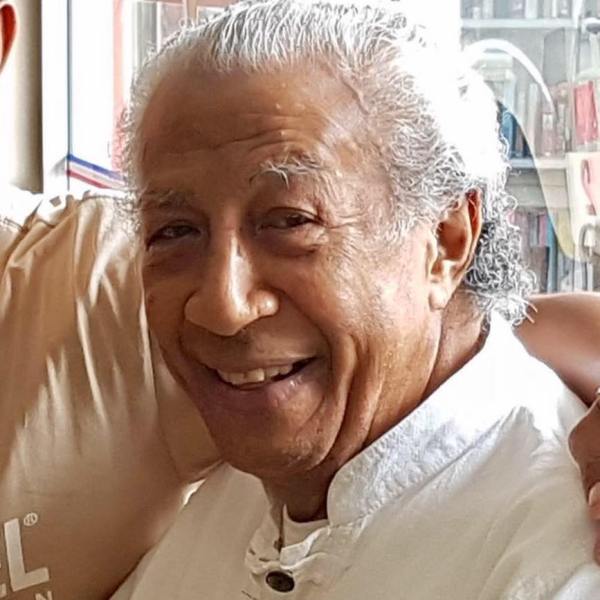
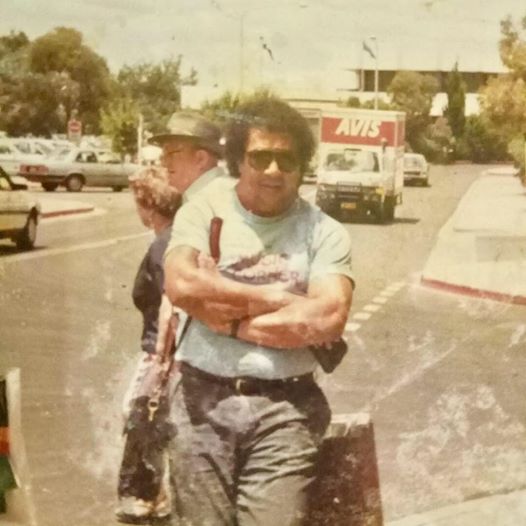
Senior OPM Andy Ayamiseba

Setelah berpengalaman selama 5 dasawarsa dalam perjuangan kemerdekaan Bangsa dan Tanah Air Papua Barat, saya merenungkan kembali visi dan misi perjuangan kemerdekaan yg telah memakan Umur para pejuang2 kemerdekaan termasuk pahlawan2 yg telah mendahului kita. Apa kiranya hal2 yg membuat perjuangan ini makin berkepajangan???

Saya secara pribadi berpendapat bhw ada banyak sebab yg membuat perjuangan ini TINGGAL DITEMPAT karena kepentingan Nama Besar para Pemimpin2 yg mabuk hormat dan prestige tanpa memperhitungkan pengorbanan rakyat jelata.

Kelihatannya perjuangan ini disengajakan berkepanjangan oleh beberapa Pemimpin yg dipakai oleh penasihat2 asingnya selaku mata pencarian mereka se-hari2 membuat perjuangan nasional sesuatu bangsa tampil selaku suatu organisasi LSM dan para Pemimpin berperan selaku aktivis2 dari LSM tersbt.

Saya memiliki visi yg berbeda dan menolak segala versi Papua selaku zona DAMAI karena kata Damai secara sepihak tidak memiliki sesuatu MAKNA apapun.

Saya menyerukan kepada seluruh institusi2 perjuangan utk membangun kekuatan (empowerment) dan bersiap siaga bilamana ada seruan MOBILISASI UMUM utk menghadapi Pejajah Sadisme. Ingat bhw penjajah kita tidak pernah menganggap kita selaku manusia ciptaan Tuhan, melainkan binatang yg mereka berhak membunuh seenaknya, jadi jangan terbuai oleh segala tipu muslihatnya.

PAPUA MERDEKA

Sehari diluncurkan, lebih 3000 orang tandatangani Petisi #LetWestPapuaVote

Penandatangan Petisi Global #LetWest PapuaVote dan dukungan kampanye #BackTheSwim yang diluncurkan di Istana Westminster, Parlemen Inggris (24/1/2017) – freewestpapua.org

Jayapura, Jubi – Kampanye Free West Papua kembali melakukan gebrakan dari London mengajak masyarakat internasional menandatangani Petisi Global untuk West Papua mendukung Deklarasi Wesminster atas Referendum di bawah pengawasan internasional untuk West Papua.

Kampanye sekaligus petisi tersebut diberi tajuk yang bertagar #BackTheSwim dan #LetWestPapuaVote, dilansir situs freewestpapua.org diluncurkan Selasa (24/1) waktu London di Istana Westminster, Parlemen Inggris.

Sehari setelah diluncurkan, hampir 3000 orang telah menandatangani petisi online di medium avaaz.org itu.

Dari Westminster, Petisi tersebut akan terus digalang dengan target awal 10,000 penandatangan, utamanya rakyat West Papua di seluruh dunia, hingga bulan Agustus 2017. Selanjutnya ia akan dibawa berenang oleh tim Swim for West Papua (Berenang untuk West Papua) sejauh 69 km menyeberangi Danau Geneva untuk menyerahkannya langsung ke tangan Perserikatan Bangsa Bangsa (PBB).

Gebrakan kampanye Free West Papua terbaru ini seiring meningkatnya atmosfer solidaritas terhadap hak penentuan nasib sendiri West Papua di panggung internasional sepanjang tahun ini. “Ini adalah kesempatan kita untuk menghubungkan dukungan individual dan kelompok-kelompok di seluruh dunia,” demikian seperti dinyatakan dalam laman freewestpapua.org.

Kampanye Let West Papua Vote hingga delapan bulan mendapatang ditujukan untuk mengumpulkan dukungan terhadap hak penentuan nasib sendiri West Papua ke PBB. Dukungan tersebut, menurut para pengkampanye, dibutuhkan agar membuka mata para pemimpin dunia dan PBB, “bahwa kita, komunitas internasional, meminta mereka memperbaiki kesalahan masa lalu dan Biarkan Papua Memilih!

Deklarasi Westminter memuat landasan dan prinsip-prinsip penentuan nasib sendiri West Papua. Di dalamnya memuat protes terhadap pelanggaran HAM di Papua; pernyataan bahwa “Pepera 1969” tidak sah; masyarakat asli Papua yang terancam musnah; serta referendum di bawah pengawasan internasional untuk West Papua.

Menyikapi peningkatan suhu politik dukungan penentuan nasib sendiri West Papua di internasional, pemerintah Indonesia tampak mulai semakin waspada. Dilansir Antara, kunjungan 14 dari 23 calon duta besar RI ke Jayapura, Papua Rabu (25/1/2017) yang bertujuan untuk orientasi empat pilar politik luar negeri Indonesia menunjukkan pemerintah tak mau ‘kecolongan’ lagi atas isu kemerdekaan Papua di luar negeri.

“Papua yang dipilih terkait dengan empat prioritas: keutuhan NKRI, diplomasi ekonomi, pelayanan dan perlindungan WNI, serta penguatan diplomasi bilateral, regional juga multilateral,” kata Ketua Rombongan Lintas Nusantara yang juga Sekretaris Jenderal Kementerian Luar Negeri Kristiarto Legowo.

Menurut Kristiarto, Papua dipilih karena diyakini sebagai aset dalam upaya menjaga keutuhan NKRI, pembangunan ekonomi Indonesia, menguatkan hubungan bilateral, regional dan multilateral.

“Papua juga merupakan aset bagi bangsa dan negara. Para duta besar yang mewakili kepentingan masyarakat juga kepentingan warga Bumi Cenderawasih,” ujarnya.(*)

TANDATANGAN PETISI

Yang Kurang Saat ini Pemerintahan West Papua berdasarkan Undang-Undang

Sebagai orang tua, sebagai generasi yang sudah hampir empat dekade bertahan di hutan New Guinea, Gen. TRWP Mathias Wenda telah berulang-ulang mengatakan, bangsa Papua saat ini West Papua sebagai sebuah wilayah yang memperjuangkan kemerdekaannya, bangsa Papua sebagai sebuah bangsa yang terjajah dan ULMWP sebagai perwakilan bangsa Papua sudah waktunya, bahkan waktunya sudah lewat, untuk menjalankan tugas dan fungsinya sebagai sebuah pemerintahan, bukan sekedar sebagai sebuah kelompok sipil yang memperjuangkan hak-haknya saja.

Memang banyak pihak di dalam negeri maupun di luar negeri tidak menghendaki penyusunan pemerintahan dimaksud. Ada para tokoh Papua Merdeka yang menganggap usulan Mathias Wenda sebagai wakil dari suku tertentu dan tidak mewakili bangsa Papua secara umum. Ada juga menganggap bangsa Papua masih rentant untuk terpecah-belah, oleh karena itu sebaiknya kita berjuang dulu lewat badan ULMWP untuk sementara waktu. Sementara yang lain mengatakan kalau ULMWP kemudian membentuk pemerintahan, maka akan mengalami banyak kendala secara hukum.

Oleh karena hal-hal inilah, TRWP atau WPRA (West Papua Revolutionary Army) telah mengusulkan untuk semua pihak mengikuti langkah dari Parlemen Nasional West Papua (PNWP) menindak-lanjuti bunyi pasal dan ayat di dalam Undang-Undang yang telah disahkan PNWP, sehingga dengan demikian kita tidak melanggar Undang-Undang, tetapi sedang menjalankan Undang-Undang. Dengan demikian kita tidak melawan sebuah pemerintahan, tetapi kita menjalankan pemerintahan dari sebuah wilayah West Papua.

Pemikiran politik seperti ini masih harus berhadapan dengan oknum di dalam perjuangan kita yang masih egois dan masih punya persepsi sempit.

Menurut Gen. Tabi,

kita harus tunggu sepuluh tahun lagi, menunggu tokoh Papua Merdeka yang masih kerdil dalam pemikiran dan masih belum tahu real-politik global dan regional, untuk belajar lagi, sampai kita mencapai kesepahaman. Ini sebenarnya sama saja dengan membiarkan penderitaan bangsa Papua berlanjut, dan memberikan peluang kepada NKRI untuk bermanuver mengalahkan bangsa Papua di kancah politik Melanesia. Tetapi apa boleh buat, ini pilihan kolektiv kita, walaupun orang tua terlama di hutan, Mathias Wenda sudah bicara, tetapi anak-anak merasa lebih pintar, jadi silahkan jalan saja.

Ketika ditanyakan apakah UURWP dan ULMWP dapat dijalankan saat ini? Menurut Gen. Tabi PNWP perlu melakukan Sidang-Sidang Khusus dan diakhiri Sidang Paripurna untuk Amandemen UURWP, banyak yang perlu diperbaiki dan disesuaikan, tetapi itu tidak berarti harus berlama-lama sementara penderitaan dan ketidak-pastian semakin merngakar di tanah Papua.

Tabi melanjutkan

Bangsa Papua dan Melanesia pada umumnya, di tingkat alam tak sadar kita memiliki kelemabahan terbesar, yaitu kita sering cepat lupa, dan sering mudah dimanipulasi, kita sering panas-panas tahu ayam, sering tidak punya fokus dan sering kita menghabiskan waktu banyak dalam bercek-cok sendiri, akibatnya tidak ada waktu lagi untuk melawan penjajah.

Tugas pemimpin dan roh perjuangan ialah memberi petunjuk dan arahan. Adalah hak penuh bagi para pemain untuk memainkan bola perjuangan ini. Kalah dan menang tergantung kapada ULWP sekarang, bukan siapa-siapa.

If You Cared About Standing Rock, You Need To Know About West Papua

This week, activists across the world celebrated as the Army Corps of Engineers announced that it would not grant the permit for the Dakota Access pipeline to drill under the Missouri river. This followed campaigning efforts from local Standing Rock Sioux tribe and thousands of Native American supporters from across North America and further afield, who argued that if the pipeline was approved, their spiritual lands would be compromised and local waters would be contaminated, threatening their livelihood. With a message that resonated with indigenous rights activists and environmentalists everywhere, campaigners were successful in forcing officials to back down.

The announcement was, however, met with scepticism from some first-nation Americans. With a heavy awareness that the DAPL would appeal the decision, many tribe members were cautious about celebrating too soon. After all, exploitation of indigenous groups, particularly in excavation projects, is common place: in Australia, historically aboriginal lands have been named as the preferred site for a nuclear waste dump, and in Nigeria, the indigenous Ogoni people have, according to numerous reports, been subjected to ethnic cleansing in the course of mishandled oil extraction projects.

It’s clear then that the exploitation of indigenous peoples is commonplace. So what set Standing Rock aside from the cases of groups in Australia, Nigeria and so many more? The answer is clear: a global coalition of activists. And no case study demonstrates more clearly the importance of activism in the struggle for indigenous rights than the situation in West Papua.

West Papua forms half of the Papua island, to the west of Papua New Guinea in South-East Asia. The island itself is split in half. The indigenous people of West Papua have Melanesian roots, and culturally and ethnically enjoy many similarities to the people of Papua New Guinea. However, the region’s fraught history and decades of political turmoil have left it without international recognition. It was formally colonised by the Dutch in 1898, and while the Netherlands began a process of decolonising the region following the Second World War, this was co-opted when Indonesia asserted a claim over the territory. Papuans fought back, declaring independence in 1961, but Indonesia soon retaliated by invading, backed by the Soviet Union. The situation was exacerbated when the US, prompted by fears of spreading Communist influence, interfered, brokering a deal with Indonesia to grant her control over West Papua. This was in theory meant to be followed by a referendum with the end goal of self-determination, but this never happened.

Since then, the military occupation of West Papua has resulted in over 500,000 deaths. The occupation has devastated indigenous people and scarred West Papuan communities: the Biak massacre of 1998 is a particularly haunting example of this. On the anniversary of the unsuccessful Papuan declaration of independence, over 200 independence demonstrators were forced by the army into two Indonesian naval vessels and taken to two different locations to be thrown into the ocean. In the following days, the protesters’ bodies washed up on Biak’s shores, or were snarled in fishing nets.

The Biak tragedy is just the tip of the iceberg. Aside from the scores of unlawful deaths, there are widespread reports of violence, including sexual violence, against civilians. In a public report to the U.N. Commission on Human Rights in 1999, the Special Rapporteur on Violence Against Women concluded that the Indonesian security forces used rape “as an instrument of torture and intimidation” in West Papua, and “torture of women detained by the Indonesian security forces was widespread”. Political prisoners engaged in peaceful demonstration are routinely convicted in unfair trials, and large numbers have yet to be released. The depth of suffering in West Papua is such that, in 2004, a groundbreaking report from Yale Law School referred to the Indonesian policy in West Papua as “genocide”- a label which was, apparently, taken lightly by the international communiyu.

It has been clear for a while now that the situation in West Papua has reached, and remained at, crisis point. So how do we explain the lack of public awareness and concerted policy responses? The problem is that most campaigns and activist movements are catalysed by news stories that shock us and compel us to take action, but there is a distinct lack of reporting on the West Papua situation. West Papua is effectively off limits to international journalists, and the penalties for flouting the region’s restrictive laws are severe: if discovered without permission they are arrested and deported by the Indonesian authorities. Some have even been attacked and imprisoned. Indonesian President Joko Widodo announced earlier this year that Papua would be open to foreign journalists, but this does not reflect the reality on the ground.

This is worsened by the fact that Indonesian authorities have made it near impossible for many NGOs to operate in West Papua: organisations such as the International Red Cross, Amnesty International and Human Rights Watch have all been denied access, and their vital services denied along with it.

West Papua represents one of the most atrocious systems of repression of indigenous peoples that we see in the world today. But the Standing Rock victory shows us that the will, manpower and resources do exist to mount an effective opposition tothreats to indigenous peoples’ rights. Even if it isn’t possible to go to West Papua and prevent these atrocities from happening directly, there is still a lot that each of us can do: you can support the fundraising efforts of the few NGOs that are allowed to operate in West Papua, you can write to your Member of Parliament, you can share resources and information with friends, family and colleagues, and you can help increase the public awareness that is so sorely needed to effect change.

Standing Rock taught us that persistent efforts can succeed- this lesson must not be forgotten, especially when it comes to groups that need protection the most.

Indonesia is losing Melanesia

Indonesia is losing MelanesiaVanuatu Dailypost –  – On Sunday last week, New Zealand-based analyst Jose Sousa-Santos commented on Twitter that “Indonesia’s attempt at buying support from the Pacific region seem to have little to no impact on Melanesia’s stance on [West] Papua.

”That’s one of those pesky observations that’s neither entirely right nor entirely wrong. The truth is: Indonesia is winning almost every battle… and still losing the fight.

Conventional wisdom used to be that Indonesia had built an impregnable firewall against Melanesian action in support of West Papuan independence. Its commercial and strategic relationship with Papua New Guinea is such that PNG’s foreign affairs establishment will frankly admit that their support for Indonesia’s territorial claims is axiomatic. Call it realpolitik or call it timidity, but they feel that the West Papuan independence doesn’t even bear contemplating.

Widespread grassroots support and its popularity among progressive up-and-comers such as Gary Juffa don’t seem to matter. As long as Jakarta holds the key to economic and military tranquillity, Port Moresby’s elites are content to toe the Indonesian line.

The situation in Suva is similar. Fiji First is naturally inclined is toward a more authoritarian approach to governance. And it seems that the military’s dominance of Fiji’s political landscape dovetails nicely with Indonesia’s power dynamic.

Many argue that Fiji’s relationship is largely mercenary. It wouldn’t flourish, they say, if the path to entente weren’t strewn with cash and development assistance. That’s probably true, but we can’t ignore the sincere cordiality between Fiji’s leadership and their Indonesian counterparts. The same seeds have been planted in Port Vila, but they haven’t take root.

Until recently, Indonesia’s ability to derail consensus in the Melanesian Spearhead Group has ensured that West Papuan independence leaders lacked even a toehold on the international stage. In the absence of international recognition and legitimacy, the Indonesian government was able to impose draconian restrictions on activists both domestically and internationally.

Perhaps the most notorious example was their alleged campaign to silence independence leader Benny Wenda, who fled Indonesia after facing what he claims were politically motivated charges designed to silence him. He was granted political asylum in the United Kingdom, but a subsequent red notice—usually reserved for terrorists and international criminals—made travel impossible.

In mid-2012, following an appeal by human rights organisation Fair Trials, Interpol admitted that Indonesia’s red notice against Mr Wenda was ‘predominantly political in nature’, and removed it.

Since then, however, activists have accused Indonesia of abusing anti-terrorism mechanisms to curtail Mr Wenda’s travels. A trip to the United States was cancelled at the last moment because American authorities refused to let him board his flight. It was alleged that an Indonesian complaint was the source of this refusal.

Independence supporters claim that Indonesian truculence has also led to Mr Wenda being barred from addressing the New Zealand parliament. His appearance at the Sydney opera house with human rights lawyer Jennifer Robinson received a standing ovation from the 2500 audience members… and an irate protest from Indonesian officials.

Not all of Indonesia’s efforts are overt. Numerous commentators made note of the fact that Vanuatu’s then-foreign minister Sato Kilman visited Jakarta immediately before his 2015 ouster of Prime Minister Joe Natuman. Mr Natuman, a lifelong supporter of West Papuan independence, was a stalwart backer of membership in the MSG for the United Liberation Movement for West Papua, or ULMWP. He was unseated bare weeks before the Honiara meeting that was to consider the question.

Mr Kilman, along with Indonesian officials, vehemently deny any behind-the-scenes collusion on West Papua.

But even with Vanuatu wavering, something happened at the June2015 Honiara meeting that surprised everyone. Solomon Islands PM Manasseh Sogavare stage-managed a diplomatic coup, a master class in Melanesian mediation.

In June of 2015, I wrote that the “Solomonic decision by the Melanesian Spearhead Group to cut the baby in half and boost the membership status of both the ULMWP and Indonesia is an example of the Melanesian political mind at work. Valuing collective peace over individual justice, group prosperity over individual advancement, and allowing unabashed self-interest to leaven the sincerity of the entire process, our leaders have placed their stamp on what just might be an indelible historical moment.

”Since then, the sub-regional dynamic has undergone a transformation. Mr Kilman’s administration suffered a collapse of unprecedented proportions following corruption charges against more than half of his government. The resulting public furore seems—for the moment at least— to have catalysed a backlash against venality and personal interest.

If the rumours are true, and Indonesia did have a hand in Mr Kilman’s palace coup, the tactic hasn’t worked since. A pair of no confidence motions—not very coincidentally on the eve of yet another MSG leaders’ summit—failed even to reach the debate stage.

Kanaky’s support for West Papuan Independence has never wavered, but given their semi-governmental status, and their staunch socialist platform, Jakarta would be hard pressed to find a lever it could usefully pull.

For his part, Sogavare has survived more than one attempt to topple him. Hi sown party leaders explicitly referenced his leadership on the West Papuan question when they tried to oust him by withdrawing their support.

In a masterful—and probably unlawful—manoeuvre, Mr Sogavare retained his hold on power by getting the othercoalition members to endorse him as their leader. His deft handling of the onslaught has raised him in the estimation of many observers of Melanesian politics. Some claim that his dodging and weaving has placed him in the first rank of Melanesia’s political pantheon.

In Vanuatu as well, once bitten is twice shy. Prime Minister Charlot Salwai raised eyebrows when he not only met with the ULMWP leadership, but accepted the salute of a contingent of freedom fighters in full military regalia. The meeting took place at the same moment as MSG foreign ministers met to consider rule changes that, if enacted, will almost inevitably result in full membership for the ULMWP.

The MSG has traditionally operated on consensus. If these rule changes pass muster, this will no longer be the case. It is a near certainty that Indonesia will do its utmost to avert this.

Mr Sogavare has demonstrated an inspired approach to the situation: If the MSG won’t stand for decolonisation in the Pacific, he asks, what is it good for? This rhetoric has become a chorus, with senior politicians in Vanuatu and Kanaky joining in.

Mr Sogavare is, in short, embarked on his own march to Selma. And he is willing to allow the MSG to suffer the slings and arrows of Indonesian opprobrium. He is, in short, willing to allow the MSG to die for their sins.

Whether we agree or not with the independence campaign, there is no denying the genius of Mr Sogavare’s ploy. His willingness to sacrifice the MSG for the cause takes away the one lever that Indonesia had in Melanesia.

His key role in orchestrating an end run around the Pacific Islands Forum’s wilful silence is another trademark move. When human rights concerns were simply glossed over in the communiqué, he and other orchestrated a chorus of calls for attention to the issue in the UN general assembly.

Manasseh Sogavare and his Pacific allies have found a strategy that is making the advancement of the West Papuan independence movement inexorable. As Ghandi demonstrated in India, as with Dr King’s campaign for civil rights showed again and again, anything less than defeat is a victory.

Without losing a single major battle, Indonesia is—slowly, so slowly—being forced from the board.

“Kalau suara, suara Yakub; kalau tangan, tangan Esau.” : Antara OPM dan ULMWP

Kita Suci Agama Kristen, Kejadian 27:23 berkata

serta berkata: “Kalau suara, suara Yakub; kalau tangan, tangan Esau.” 27:23 Jadi Ishak tidak mengenal dia, karena tangannya berbulu seperti tangan Esau

Ayat ini kita kutib dalam rangka menyampaikan psan penting di awal tahun 2017, berkaitan dengan perjuangan kemerdekaan West Papua dan banyak gelagat yang dikembangkan baik oleh NKRI maupun oleh para pendukung pendudukannya di atas wilayah West Papua dan bangsa Papua.

Di tahun 2017 ini, setelah kekalahan ULMWP mencapai target keanggotaan penuh di ULMWP, maka ULMWP mundur dengan diam-diam, tanpa informasi apa-apa, tanpa pesan sedikitpun. Padahal menjelang KTT MSG sudah banyak disiarkan keanggotaan penuh ULWMP di MSG adalah sesuatu yang sudah bisa dicapai dalam tahun 2016. Ternyata Tuhan tidak berkehendak. Itu bukan kehendak NKRI, tetapi kehendak Tuhan.

Walaupun begitu, PMNews perlu ingatkan kepada para pejuang Papua Merdeka dan kepada semua orang Papua, di manapun kita berada, bahwa peristiwa Yakub dan mamaknya melawan Esau seorang diri yang berakhir dengan kerugian seumur hidup dan turun-temurun bagi Esau adalah sebuah peristiwa tragis, tidak ada satupun orang saat ini yang mau menjadi Esau. Akan tetapi hal-hal serupa masih saja terjadi dalam kehdiupan perjuangan bangsa Papua untuk kemerdekaan West Papua di luar NKRI.

Saat ini sudah banyak situs berbau Papua, dibuat oleh NKRi. Ini hal yang tidak pernah terjadi 20 tahun sejak PMNews berdiri dan menyiarkan berita-berita dari Tanah Papua karena dan untuk Kebeneran. Namadomain seperti

  • papuanews.id
  • kabarpapua.com
  • bintangpapua.com
  • papuapos.com
  • cenderawasihpos.com

dan lain-lain, serta halaman-halaman FB, tanpa alamat twitter, sudah bermunculan sangat ramai di akhir tahun 2016.

Banyak profile mereka menggunakan Bintang Kejora, banyak item publikasi mereka menyangkut demonstrasi dan penangkapan orang Papua.

Tetapi perhatikan, mereka “TIDAK MEMBERIKAN KOMENTAR APA-APA”. Saat mereka berkomentar, mereka selalu mengekspose kelemahan-kelemahan dalam perjuangan Papua Merdeka, terutama sekali para tokoh perjuangan kemerdekaan West Papua.

Mereka sudah rajin mengolah lagu-lagu dan mob-mob Papua, menghibur orang Papua dengan cerita-cerita lucu dan profil dan update status berbau Papua.

Tidak hanya itu, orang Papua juga dihibur dengan berita-berita tentang Ahok, pengadilan Ahok, Kristen versus Islam, dan berita-berita berjudul seperti “Heboh!!!…. sebarkan ini…” di-update di FB Papua Merdeka.

Ya, benar, suara memang suara Yakub tetapi tangan kok berbulu Esau?

Tidak hanya itu.

Berita-berita dengan judul-judul seperti “OPM menyatakan perang”, “OPM menyatakan sikap!” selalu saja ditebarkan di berbagai media NKRI, dengan link ke media sosial milik OAP.

Padahal semua orang Papua tahu, dengan kasak mata, dengan mata-kepala, pada hari ini, bahwa “Organisasi Papua Merdka disingkat OPMyang selama in berjuang untuk Papua Merdeka itu, para tokoh OPM, para pejuang OPM, para panglima OPM, semua sudah melebur dan memeprsatukan diri ke dalam United Liberation Movement for West Papua (ULMWP).

Apa artinya suara Yakub, tangan Esau ini terus saja bermunculan?

Ishak sebagai ayah telah memberkati Yakub, berkat kesulungan telah diberikan kepada Yakub, sedangkan Esau masih sedang berburu di hutan. Ini penipuan sangat besar, dampaknya turun-temurun sampai kiamat.

Kini peristiwa mirip, serupa tapi tak sama sedang terjadi di Tanah Papua, dalam kehdiupan bangs Papua, OPM yang sudah berubah nama menjadi ULMWP kok masih disiar-siarkan,  OPM yang sudah menjadi ULMWP kok masih menyatakan perang melawan NKRI? OPM yang sudah menjadi ULMWP kok masih kleim diri sebagai satu-satunya yang orang Papua harus tunduk kepadanya?

Siapa yang sedang bermain?

Suara siapa itu?


Indonesia feared Australia would ‘recruit’ its best soldiers, General says

Special forces near Nusakambangan
ndonesian Kopassus special forces soldiers patrol near the prison island of Nusakambangan in Cilacap, Central Java. (Reuters: Beawiharta)

Indonesia stopped sending its best soldiers for training in Australia because of fears they would be “recruited” by the Australian military.

Indonesia’s military chief General Gatot Nurmantyo said he stopped the training program before suspending all military relations between the two nations.

In a speech from late November uncovered by the ABC, he made his feelings clear:

“Every time there is a training programme — like recently — the best five or 10 students would be sent to Australia. That happened before I was chief so I let that happen,” he said.

“Once I became chief commander of the national forces, it did not happen again. They will certainly be recruited. They will certainly be recruited.”

The general used the language of the Cold War, talking about the soldiers being cultivated as sources or agents of influence.

It was revealed yesterday that Indonesia suspended all military cooperation between the two nations after an instructor with the Indonesian Special Forces [Kopassus] was offended by material that was part of a training course in Perth.

The material related to perhaps Indonesia’s most sensitive topic — independence for West Papua.

“My officers were told to be assigned over there, to teach Indonesian,” General Nurmantyo protested.

“It was taught there that Papua is a nation that is going to get their independence because they’re not Indonesia. Like that. So clearly they will recruit them.”

‘A deeply offensive phrase’

Iwan Ong Santoso, an Indonesian author and journalist with Kompas newspaper, broke the story about Indonesia suspending its military relations with Australia.

He said the West Papua element was only part of the reason for the breakdown.

Mr Santoso said that when the Kopassus officer went to complain about the West Papua commentary, he discovered a document mocking Indonesia’s key principle of Pancasila.

“We believe that our basic philosophy to build our nation is Pancasila, the five principles, and there was this writing of ‘Pancagila’,” Mr Santoso said.

“Pancagila is very insulting words of ‘madness, insanity’, saying like our nation has five kinds of insanity.”

Pancasila is a statement of Indonesian unity, while a broad translation of Pancagila would be “crazy Indonesians”.

It is a deeply extremely offensive phrase to an Indonesian.

Indonesia’s Defence Minister Ryamizard Ryacudu said Australia had punished the person responsible.

“He’s only a lieutenant,” said Mr Ryacudu.

He said the Australian military and Government did not have the intention to insult or humiliate Indonesia.

He described those responsible as “curut” — which translates as mice. In other words, they are insignificant.

Mr Ryacudu said he would discuss the incident when he met with Australia’s Defence Minister Marise Payne.

Up ↑

Wantok Coffee

Melanesia Single Origin Coffee

MAMA Minimart

MAMA Stap, na Yumi Stap!

PT Kimarek Aruwam Agorik

Just another WordPress.com site

Wantok Coffee News

Melanesia Foods and Beverages News

Perempuan Papua

Melahirkan, Merawat dan Menyambut

UUDS ULMWP

for a Free and Independent West Papua

UUDS ULMWP 2020

Memagari untuk Membebaskan Tanah dan Bangsa Papua!

Melanesia Spirit & Nature News

Promoting the Melanesian Way Conservation

Kotokay

The Roof of the Melanesian Elders

Eight Plus One Ministry

To Spread the Gospel, from Melanesia to Indonesia!

Koteka

This is My Origin and My Destiny