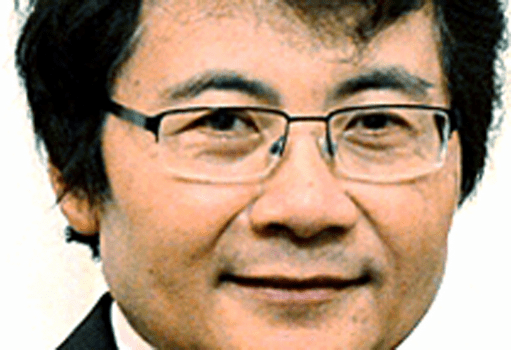
Government should be ‘more patient, less reactive’ on Papua issue

The jakarta Post – President Joko “Jokowi” Widodo delegates the formulation of Indonesia’s position on global matters without much guidance or clarity, observers say.The Jakarta Post’s Tama Salim interviewed Siswo Pramono, head of the Foreign Ministry’s Policy Analysis and Development Agency (BPPK), to review his foreign policy and strategies for the next three years. Here are excerpts from the interview:

Question: What is the current priority of Indonesian foreign policy?

Answer:
The closest region is our biggest priority, not just for economic reasons but also for our survival, which is highly dependent on ASEAN.

The challenges in ASEAN are enormous: first, a fundamental change in […] the “ASEAN way,” which has taken on new […] meanings with the generational changes.

We have the generation of [Foreign Minister] Retno [LP Marsudi] — the third generation [of the ministry’s diplomats] — but then we have a generation of people from ministries and other counterparts who have not changed all that much.

 ASEAN […] requires constant care in preserving its unity; the challenge is in the political communication.

Secondly, while our foreign policy is formulated for the long term, we feel its direct impact when it is tangible. So […] when [ASEAN] members converge into a single market we may not be able to discern its effects on prosperity within a day, but we can sense it through the penetration of goods [into the market].

[…] In celebrating ASEAN’s 50th anniversary next year, we’ve gone through many changes, including the ASEAN Charter. There is so much transparency now […] Concrete projects include the ASEAN Economic Community […] but […] we need to better inform our people about the [risks]. […]

What did you mean with generational differences among those shaping foreign policy?

[…] A lot of the [1945 generation] were Dutch-educated; […] even for homegrown talents, most universities were developed by the Dutch. So when we speak about the foreign policy of that time, we speak of
de-colonization.

[…] Then the development of schools of thought from one generation to another is quite dynamic, owing [partly] to the extraordinary democracy in 1955 […]

We had products of Dutch thinking and then American. Then we shifted more toward the Pacific […]; around 20,000 Indonesians are studying in Australia. So we have had a Western perspective within the Asian experience. But nowadays we have more people who studied in Japan, South Korea and China […]

So how do we interpret the ASEAN Way through the eyes of our current generation? And how do others, such as Laos, Cambodia, Vietnam or the Philippines, see the ASEAN Way through their perspective? […]

[We require] brainstorming among leaders […] including how to face the common challenge of the South China Sea debacle. […] If these parties [in ASEAN are] economically close but are culturally different, it is something we only find out from intense dialogue.

What other regions will the Foreign Ministry prioritize apart from ASEAN?

We see [the importance of] the Indian Ocean through our leadership [in the Indian Ocean Rim Association, IORA]. […] Indonesia is bound by […] the Pacific Ocean, the South China Sea and the East Asia region to the north, and to our west is the Indian Ocean […]

When President Joko “Jokowi’ Widodo speaks about the Indo-Pacific region and the “maritime axis,” he refers to the Indian Ocean to the Pacific, including the South China Sea.

So in line with the maritime axis plan […], the foundation of our foreign policy in the last two years, we have to connect the two oceans.

Indonesia is more focused on communicating inwardly through infrastructure development — building ports, toll roads etc. But now we are being challenged by China on how to connect the maritime axis plan with their One Belt, One Road initiative. […]

Indonesia [must also] consider the Indian Ocean […]

Jokowi’s maritime axis plan [also comprises] the Pacific — the southwest Pacific in the context of the Melanesian Spearhead Group (MSG) and the Papua issue. Although we try to avoid internationalization of the Papua issue, many people out there make a fuss about it.

[As] a G20 member state, […] we are now a donor country, meaning we have to funnel our resources in the Pacific.

Compared to ASEAN, with a combined GDP of US$2.3 trillion […] and IORA with around $9 trillion; the MSG [has] a total GDP of $23 billion. So with a GDP of roughly $850 billion, we can play a bigger role [in the Pacific].

[…] the government should be more patient and be less reactive. […] We place great care in the MSG as it is a part of the South Pacific. […] Because it is a sensitive issue in eastern Indonesia and President Jokowi has just inaugurated several projects in Papua, the MSG should feel it is benefiting from Indonesia becoming one of its members. […]

The MSG orients itself toward ASEAN. […] Indonesia is part-Melanesian, as evidenced by our 11 million Melanesian population [in eastern Indonesia]. If they join the MSG, their slice of the political pie will get bigger and the eastern region […] will become their bridge to the Asian market. There are already direct flights from PNG to Bali […]

Papua is first and foremost Indonesia’s domestic problem […] Papua can also become a potential gateway for our friends in the Pacific to access the Asian market. […]

So these past two years Pak Jokowi has been promoting the maritime axis plan, but now we must devise concrete strategies and translate them into foreign policy. [Our challenge is] not only to realize the connectivity […] but also to ensure it becomes the gateway to profits in the Indian Ocean, in East Asia and the South China Sea area, as well as in the Pacific. [..]

Do we need better coordination among government bodies?

[…] it is up to each ministry to respond to the will of the President, who represents the will of the people. And how his ministers respond will heavily depend on how everything is coordinated.

For instance, in negotiations on the South China Sea, [apart from] the Foreign Ministry there is the Office of the Coordinating Political, Legal and Security Affairs Minister and the Navy — even the Villages, Disadvantaged Regions and Transmigration Ministry is involved […] because development on the Natuna islands will be decisive in maintaining sovereignty in the area.

[But] […] it remains the domain of the foreign minister to convey the substance to ASEAN or China. Interdepartmental coordination is crucial because Indonesia [has] many gaps — whether between east and west or among competing interests. But it is the purpose of good governance to ensure that everything [put out as a policy] is discussed together.

Ini strategi Kemlu untuk isu Papua, Melanesia dan Pasifik

Kepala Badan Pengkajian dan Pengembangan Kebijakan (BPPK) Kementerian Luar Negeri (Kemlu) Indonesia, Siswo Pramono - flickr.com
Kepala Badan Pengkajian dan Pengembangan Kebijakan (BPPK) Kementerian Luar Negeri (Kemlu) Indonesia, Siswo Pramono – flickr.com

Jayapura, Jubi – Kepala Badan Pengkajian dan Pengembangan Kebijakan (BPPK) Kementerian Luar Negeri (Kemlu) Indonesia, Siswo Pramono mengatakan Indonesia perlu lebih sabar dan tidak reaktif dalam menghadapi isu Papua.

Jakarta Post mewawancarai Siswo Pramono dan menerbitkannya dalam cuplikan tanya jawab seputar kebijakan dan strategi luar negeri Indonesia dalam tiga tahun kedepan. Selain kebijakan di lingkup Asia Tenggara (ASEAN), Siswo juga mengungkapkan kebijakan dan strategi Indonesia di Pasifik, termasuk di kawasan Melanesia.

Siswo dalam artikel wawancara berjudul Government should be ‘more patient, less reactive on Papua issue ini mengatakan rencana pusat kelautan yang dikembangkan oleh Presiden Jokowi, termasuk juga Pasifik, yakni Pasifik Barat Daya yang erat konteksnya dengan Melanesia Spearhead Groups (MSG) dan isu Papua.

Indonesia, menurutnya, dalam posisi anggota G20 menjadi negara donor yang harus membagi sumberdayanya di Pasifik

Ia mengakui,  Kemlu memang berupaya menghindari internasionalisasi persoalan Papua.

“Meskipun kami mencoba untuk menghindari internasionalisasi masalah Papua, banyak orang di luar sana membuat keributan tentang hal itu (masalah Papua),” ujarnya.

Pemerintah Indonesia, kata Siswo, perlu lebih sabar tidak terlalu reaktif dalam menghadapi isu Papua.

“Kami menempatkan perhatian besar dalam MSG karena merupakan bagian dari Pasifik Selatan. […] Karena ini adalah masalah sensitif di Indonesia timur dan Presiden Jokowi baru saja meresmikan beberapa proyek di Papua. MSG harus merasa diuntungkan dari Indonesia yang menjadi salah satu anggotanya. […]” ungkap Siswo dalam wawancara dengan Jakarta Post ini.

Siswo berpandangan MSG sedang mengarahkan dirinya ke ASEAN.

Ia juga menekankan kembali pandangan yang menyatakan Indonesia adalah bagian dari Melanesia, sebagaimana dibuktikan oleh 11 juta penduduk Melanesia di Indonesia Timur. Jika 11 juta penduduk Indonesia ini  bergabung dengan MSG, menurutnya, kue politik mereka akan lebih besar dan wilayah timur Indonesia akan menjadi jembatan Melanesia ke pasar Asia. Saat ini, lanjutnya, sudah ada penerbangan langsung ke Bali dari Papua New Guinea.

“Papua adalah masalah domestik utama dan penting di Indonesia. Papua juga menjadi pintu gerbang potensial untuk teman-teman kita di Pasifik untuk mengakses pasar Asia,” ujar Siswo. (*)

Guam decolonisation, Trump and China

A decolonisation plebiscite on Guam that was due to be held last month is likely to be deferred to 2018.

Controversy over who was eligible to vote and fears voters wouldn’t understand their options have been blamed for the postponement.

The delay means the US colony’s plebiscite could be held during the first term of President Trump, whose reaction to the result may depend on his stance towards China.

Guam is strategically important to the United States, housing both an Air Force and Navy base. Here, a US F-16 flies along the island's coastline.
Guam is strategically important to the United States, housing both an Air Force and Navy base. Here, a US F-16 flies along the island’s coastline. Photo: US Department of Defense


An unincorporated territory of the United States, Guam has been poised to hold the non-binding plebiscite since the 1980s that would give voters a choice of three options for their Micronesian island.

Become a US state, independence, or free association with the US.

To educate voters about each option three taskforces were established in 1997.

The Independence Taskforce had been accused of delaying this year’s plebiscite, but its co-chair Victoria-Lola Leon Guerrero said Guam law required it to be held in conjunction with a gubernatorial election.

Victoria-Lola Leon Guerrero.
Victoria-Lola Leon Guerrero. Photo: Guampedia

“So what the governor had been proposing was illegal because it was in violation of Guam’s own decolonisation plebiscite laws,” said Ms Leon Guerrero.

“That’s what we were opposed to. We were also opposed to our community being rushed to vote on something,” she said.

“We were just interested in ensuring that our community was informed. That we together were all educating each other on what would be best for Guam.”

The indigenous Chamorro, Guamanians and their decendants nativised by the Organic Act of 1950 are able to vote in the plebiscite, however, that is being challenged in a US court by a long-term American resident of Guam deemed ineligible to join the decolonisation registry.

13,192 people had joined the registry by mid-December, while about 52 thousand people were registered to vote in November’s general election.

Chair of the Free Association Taskforce Adrian Cruz said the three groups would now join forces to educate Guam on the importance of the plebiscite.

“So that’s the first task. Once we get maybe within about six to seven months before the actual election is when we are really going to try to make our particular option a little more clear,” he said.

“But the first thing we’ve all agreed to do is get people to be educated about why they should vote in general.”

Co-chair of the Statehood Taskforce Eloy P. Hara said becoming a state would allow the US military to protect Guam’s fisheries as China seeks greater influence in the region.

“The Chinese are already starting to move to try to take over the Federated States of Micronesia. They’re already loaning money to the FSM government,” said Mr Hara.

“As a state we can ask the military to enforce the economic zone. Right now the Chinese, the Koreans they come in and we have no way of protecting ourselves.”

Adrian Cruz
Adrian Cruz Photo: Michael Lujan Bevacqua


With the number of US military personnel on Guam set to surge from six to 11 thousand as troops are relocated from Japan, Mr Cruz said free association would make Guam a sovereign nation with a say on America’s military presence.

He said most Guamanians have cultural and family ties to America and its military, but a recent decision to convert a culturally significant area into a live firing range made some reconsider the relationship.

“It demonstrated again how the military could unilaterally do things without our input,” said Mr Cruz.

“We’ve all seen the news from Okinawa and the protests and the grievances that they have and now we’re going to be in their shoes so to speak,” he said.

“That really made people think twice. It really gave impetus to the decolonisation movement.”

An independent Guam would have even more power to negotiate an equitable arrangement with the US military, according to Ms Leon Guerrero, which could include the return of the island’s most fertile farm land.

She said the election of President Trump had driven a surge of interest in the independence option given Guam would be at the forefront of a US-China war.

“Why would China have missiles called the Guam Killers? Because they see the United States’ presence here as an aggressive presence that’s directed at them,” said Ms Leon Guerrero.

“So those kinds of things are very terrifying that somebody like Donald Trump would make those kinds of decisions,” she said.

“Whether or not that country goes to war we will probably be the place that gets attacked and that’s really terrifying for such a small community.”

Mr Hara, who served in the US Navy, said becoming a state would drive infrastructure development on Guam to support an even larger military presence.

Eloy P. Hara
Eloy P. Hara Photo: Statehood Taskforce, Guam


“If they build Guam sufficiently the war can be fought from here instead of being fought from the mainland US, just like they did during the second world war,” he said.

“Common sense would dictate that – hey, let’s build up Guam, let’s fight the war over there if we’re fighting the Chinese and the North Koreans, let’s fight it over there.”

Given Guam’s geopolitical importance to the United States, would President Trump heed the result of the plebiscite?

Mr Cruz said it would be within best interests of the US to do so.

“Not only strategically but also to show the world that the United States really is not an imperialistic country as its critics contend it to be especially in China and Russia,” he said.

“I hope that Donald Trump does hear our vote and I hope that it also expresses to him that it’s not that we’re clamouring for rebellion on Guam but that we desire to be treated equitably in the American tradition.”

The United States entered into a Compact of Free Association with the Federated States of Micronesia and the Marshall Islands in 1986 and with Palau in 1994.

State urged to do more for West Papuans

humanitarianTheNational – THE Government has been urged to do more about the plight of West Papuans and to assist them obtain full membership of the Melanesian Spearhead Group.

National Capital District Governor Powes Parkop made the call while celebrating the International Humanitarian Day with the West Papuan refugees at Vabukori in the National Capital District on Saturday.

“I call on our people and our Government not to abandon the West Papua people,” he said.

“Let us be brave and allow moral righteousness to prevail by allowing West Papuans to full membership of the Melanesian Spearhead Group.”

Prime Minister Peter O’Neill in May said PNG was concerned about what was happening in West Papua and expressed this directly to Indonesian President Joko Widodo.

He said West Papuans were welcomed in PNG.

“We are equally concerned about what is happening in West Papua,” O’Neill said.

“We have expressed that directly to the highest authority, including the president (Widodo), this year, particularly the human rights issue and for autonomy.”

Parkop said a humanitarian right issue facing PNG was the denial of the West Papuan people to properly and legally exercise their rights to self determination.

“These are fundamental human rights  expressed clearly in the United Nations  Human Rights Charter,” he said.

PNG opposition leader calls for “honest” take on Papua

Don Polye Photo: SUPPLIED

RNZ – Papua New Guinea’s opposition leader says his country and Australia need to play a greater role in responding to human rights abuses in neighbouring West Papua.

Don Polye said basic human rights of West Papuans continue to be repressed by Indonesian authorities and security forces, requiring a more “honest” approach from neighbouring countries.

He said the problem had a set of direct consequences for PNG, yet its government continued to turn a blind eye to what was going on.

Mr Polye said recent remarks by Australia’s Foreign Minister Julie Bishop playing down reports of rights abuses in Papua were unfortunate.

“She said that there is not enough justification or evidence to show if there is any human rights abuse along the border between Papua New Guinea and Indonesia. I believe that Australia should assess the situation more closely, in partnership with Indonesia as well as with Papua New Guinea, to be honest about it and to look at the issues more carefully,” he said.

Mr Polye said as party to international conventions on human rights, PNG and Indonesia needed to engage more to address the situation in Papua.

He said that West Papuan calls for a legitimate self-determination process could no longer be ignored.

A need for meaningful dialogue at both international and bilateral level, he said, also required leadership from the Melanesian Spearhead Group.

However the MSG’s full members – PNG, Fiji, Vanuatu, Solomon Islands and New Caledonia’s Kanaks – are divided over advancing the Papua issue.

Governments of PNG and Fiji in particular appear opposed to granting the United Liberation Movement for West Papua full membership in the group.

They also firmly support Indonesian territorial control over Papua.

Yet Mr Polye says the example of France in granting a self-determination referendum to its Melanesian territory of New Caledonia shows that the Papua question could be solved peacefully.

Cross border flow between Indonesia and Papua New Guinea.
Cross border flow between Indonesia and Papua New Guinea. Photo: RNZ / Johnny Blades


Kava Could Help in Cancer Fight

RNZ – 10:31 am on 12 December 2016

New research has found that traditionally prepared kava could help treat or prevent cancer.

Scientists used ground kava combined with other elements including sap from different sources in Micronesia.

Prepared this way, in a form used by people in the Pacific, rather than filtered, kava was more active in inhibiting breast and colon cancer cells.

One of the principal scientists behind the study, Linda Saxe Einbond from the New York Botanical Garden and the City University of New York, said the results were encouraging.

“We prepare kava the way it’s prepared traditionally, as a water extract high in particular content and we did it squeezed or strained through hibiscus bark, in traditional preparation.

“I find it very interesting that what people were actually drinking turned out to be more active.”

A tanoa (kava bowls) with a bilo (kava cup). Normally the lowliest person would serve kava to the circle.
A tanoa (kava bowl) with a bilo (kava cup) Photo: RNZ Daniela Maoate-Cox

Dr Einbond said the study arose because epidemiological data showed cancer incidence was inversely associated with kava in countries like Fiji, Samoa and Vanuatu.

“And we found that the less we did to it, the unfiltered preparation was more active than the filtered, that what people actually drink has particles in it is more active than the next step of filtering it or purifying it.”

Dr Einbond said the extracts used in the study were from Fiji and Hawaii, with those from Fiji most active against cancer cells.

Dr Einbond said it would be worthwhile to develop and further assess traditional kava to prevent and treat colon and other cancers.

no caption

Kava for sale in a market in Fiji Photo: RNZ

Paulus Suryanta Ginting (Surya Anta), IPWP dan FRI West Papua

Sumber: https://www.facebook.com/surya.anta.1

FRI West Papua, Jakarta

1 Desember 2016 merupakan kali kedua saya di tangkap dan di represi saat aksi bersama-sama kawan-kawan West Papua. Kali pertama, saat berorasi di depan Istana Presiden, ketika aksi mendukung ILWP pada tanggal 11 Agustus 2011.

Represi kali ini lebih menyakitkan, pukulan, tendangan dan pentungan bertubi-tubi menyasar terutama bagian kepala, ketimbang 5 tahun lalu.

Ada cacian yang sama dari 2 kali penangkapan tersebut, yakni: “Penghianat Bangsa”.

Coba bagaimana itu perwira menengah dan prajurit rendahan meneriaki kami (orang Indonesia) yang membela West Papua sebagai “Penghianat Bangsa”.

Justru “Papa Minta Saham” itu lah pengkhianat bangsa. Pembunuh Theys Elluay itu lah pengkhianat bangsa. Para pembantai lebih dari 500.000 orang West Papua itu pengkhianat bangsa. Sementara Soeharto tidak kalian cap sebagai penghianat bangsa, padahal kurang lebih 2 juta orang mati karena dia. Freeport dia legitimasi kehadirannya di Papua meski belum ada undang-undangnya lewat Kontrak Karya 1967. Prabowo yang di duga menculik aktivis dan melenyapkan beberapa diantaranya, serta mengakibatkan banyak orang meninggal di Timor Leste kalian dukung jadi calon Presiden. Koruptor yang bergelimang kekayaan di atas kemiskinan rakyat jelata kalian biarkan. Bah!

Tahu kah kalian, kita berasal dari suku-suku yang berbeda-beda. Bahasa yang tak sama. Bahkan ras pun diantaranya berbeda.

Kebangsaan kita lahir karena melawan kolonialisme, melawan imperialisme, melawan fasisme dan melawan rasisme. Tanpa itu semua, tak ada kebangsaan Indonesia.

Pembangunan karakter kebangsaan yang adil, demokratis, setara, anti penindasan itu lah yang hendak kami luruskan dan perluas.

Sederhana, tidak ada yang istimewa, mendukung hak penentuan nasib sendiri untuk West Papua merupakan kewajiban kami menjalankan tugas-tugas demokratik sebagai orang kiri.

Dan seharusnya tugas ini dijalankan sepenuh hati oleh orang-orang yang mendaku dirinya sebagai demokratik. Tapi sayang, masih banyak yang demokratik setengah hati. Serta tak sedikit pula orang kiri yang kurang demokratik.

Bagi kami bersolidaritas terhadap West Papua memberikan pelajaran yakni membangkitkan keberanian melawan ketakutan serta pengorbanan yang begitu besar bagi perjuangan. Sesuatu yang bisa jadi semakin surut dalam gerakan kita. Sehingga seharusnya kami lah yang mengucapkan Terima Kasih.

Antonio Guterres Resmi jadi Sekjen PBB

Kunume Wone, PBB –  Antonio Guterres dilantik pada Senin (12/12) sebagai Sekretaris Jenderal PBB, sambil mengatakan bahwa lembaga dunia tersebut harus berubah lebih baik guna mengatasi krisis global seperti perang di Suriah.

Saat upacara pelantikan di Majelis Umum, mantan perdana menteri Portugal tersebut meletakkan tangannya di Piagam PBB dan diambil sumpah jabatannya oleh presiden Majelis Umum, Peter Thomson.

Guterres, mantan kepala negara pertama yang menjabat kepala PBB, mengambil alih posisi Ban Ki-moon pada 1 Januari di tengah pertumpahan darah di Suriah dan keraguan atas peran Amerika Serikat (AS) di dunia saat Donald Trump menjabat sebagai presiden AS.

“Organisasi ini adalah landasan multilateralisme dan telah berkontribusi dalam beberapa tahun terkait perdamaian, namun tantangan tersebut kini telah melebihi kemampuan kita untuk merespons,” kata Guterres.

“PBB harus siap untuk berubah.”

Politisi sosialis berusia 67 tahun tersebut mengatakan bahwa PBB harus “mengakui kekurangannya dan mereformasi cara kerjanya,” menyoroti kegagalan untuk mencegah krisis sebagai sebuah kelemahan yang serius.

Mantan kepala pengungsi PBB selama satu dekade itu dilantik saat pasukan Suriah hampir merebut kembali seluruh kota Aleppo — sebuah titik balik dalam perang yang telah terjadi hampir enam tahun.(Ant/AFP)

WPRA Extends Condolences for the Death of Our Hero: George Junus Aditjondro

Hari-hari Terakhir George Junus Aditjondro
George Junus Aditjondro

From the Central Command of West Papua Revolutionary Army, the Officers of the WPRA would like to officially

Extend Our Condolences


for the death of Our Great Hero from Indonesia, hero of freedom and truth.


All West Papuan fighters in the jungle of New Guinea hereby acknowledge the great work he had done during his lifetime, especially for the oppressed and marginalised communities in Indonesia.

His death on December 10, 2016, the Day all humanity on Earth celebrate the Day for Human Rights in the world, he has completed his journey on this same day indicating how the Late George Junus Aditjondro and human rights cannot be separated from one another.

Since the rise of open support from Indonesia, led by Indonesian Young Democrat Surya Anta Ginting, the head of FRI West Papua, all heroes of West Papua independence movement, and all who are alive today, as well as those to come, are very happy that the Late George Junus Aditjondro is resting in peace after knowing that Young Indonesians are now lining up on his side, supporting the marginalised and coloniased peoples.

May he Rest In Peace, may his examples become our model in fight for justice and truth, in our lives.

Issued in: Central Command of West Papua Revolutionary Army

On Date: 11 December 2016


Secretariat-General


Amunggut Tabi, Lt. Gen
BRN: A.DF 018676


George Junus Aditjondro Meninggal Dunia

George Junus Aditjondro Meninggal Dunia
George Junus Aditjondro (Foto: Ari Saputra/detikFoto)

News Detik – Palu – Aktivis, peneliti dan penulis George Junus Aditjondro meninggal dunia di Palu, Sulawesi Tengah, Sabtu, 10 Desember 2016 sekitar pukul 05.45 Waktu Indonesia Tengah. Ia meninggal dalam perawatan di Rumah Sakit Bala Keselamatan di Jalan Woodward, Palu, Sulawesi Tengah.

“Duka mendalam wafatnya seorang tokoh reformasi. Guru dan mentor politik saya semasa mahasiswa di Salatiga: George Junus Aditjondro. Rest in peace,” tulis Menteri Tenaga Kerja (Menaker) Hanif Dhakiri lewat akun Twitter-nya @hanifdhakiri seperti dilihat detikcom, Sabtu (10/12/2016) pagi.

Kabar meninggalnya George ini juga disampaikan aktivis HAM Andreas Harsono lewat akun Facebook-nya. “Dia adalah mentor saya ketika saya sedang belajar di Salatiga, Jawa Tengah, pada 1980-an,” sebutnya.

Semasa hidup, mendiang George dikenal karena sejumlah tulisannya yang menyoroti bisnis Keluarga Cendana yang menurutnya sarat dengan korupsi, kolusi dan nepotisme. Ia aktif juga menulis soal bisnis militer Indonesia.

George lahir di Pekalongan, Jawa Tengah, pada 27 Mei 1946.

Ia pernah jadi wartawan untuk Tempo. Pada 1994 dan 1995, nama George Aditjondro menjadi dikenal luas sebagai pengkritik pemerintahan Soeharto mengenai kasus korupsi dan Timor Timur. Ia sempat harus meninggalkan Indonesia ke Australia dari 1995 hingga 2002. Ia dicekal oleh rezim Soeharto pada Maret 1998.

Di Australia ia menjadi pengajar di Universitas Newcastle dalam bidang sosiologi. Sebelumnya, saat di Indonesia ia juga mengajar di Universitas Kristen Satya Wacana.

Sepulangnya dari Australia, ia menulis beberapa buku kontroversial.

Saat hendak menghadiri sebuah lokakarya di Thailand pada November 2006, ia dicekal pihak imigrasi Thailand yang ternyata masih menggunakan surat cekal yang dikeluarkan Soeharto pada 1998.

Pada akhir Desember 2009, saat peluncuran bukunya Membongkar Gurita Cikeas, ia dituduh melakukan kekerasan terhadap Ramadhan Pohan, seorang anggota DPR RI dari Partai Demokrat, yang kemudian melaporkan kejadian tersebut kepada polisi.

Beberapa lama setelah peluncuran bukunya terakhir, Membongkar Gurita Cikeas: Di Balik Skandal Bank Century, Presiden Susilo Bambang Yudhoyono menyatakan keprihatinannya atas isi buku tersebut. Buku itu sempat ditarik dari etalase toko walaupun pada saat itu belum ada keputusan hukum terhadap peredaran buku ini.

Di Palu, ia pernah bergabung dengan Yayasan Tanah Merdeka. Di organisasi nonpemerintah yang dibidani kelahirannya oleh Sosiolog Arianto Sangadji ini, George meneliti dan menulis soal silang sengkarut operasi militer dan polisi di Poso selama konflik sosial berlangsung di daerah itu. Ia pernah menulis soal bisnis dan peredaran senjata illegal di daerah konflik. Soal korupsi lunsum prajurit di daerah konflik pun pernah ditulisnya.
(hri/hri)

Up ↑

Wantok Coffee

Melanesia Single Origin Coffee

MAMA Minimart

MAMA Stap, na Yumi Stap!

PT Kimarek Aruwam Agorik

Just another WordPress.com site

Wantok Coffee News

Melanesia Foods and Beverages News

Perempuan Papua

Melahirkan, Merawat dan Menyambut

UUDS ULMWP

for a Free and Independent West Papua

UUDS ULMWP 2020

Memagari untuk Membebaskan Tanah dan Bangsa Papua!

Melanesia Spirit & Nature News

Promoting the Melanesian Way Conservation

Kotokay

The Roof of the Melanesian Elders

Eight Plus One Ministry

To Spread the Gospel, from Melanesia to Indonesia!

Koteka

This is My Origin and My Destiny