Australian unions pledge support for West Papua

The s has renewed a memorandum of understanding with the Federal Republic of West Papua (FRWP), pledging support for the cause of West Papuan self-determination.

The signing ceremony on 15 May was attended by members of the West Papuan community and a number of trade union leaders, including ACTU president Ged Kearney, Victorian Trades Hall secretary Luke Hilakari, Communication Workers Union Victorian branch secretaries Len Cooper and Joan Doyle and Maritime Union Victorian branch secretary Kevin Bracken.

FRWP minister for foreign affairs, immigration and trade, Jacob Rumbiak, told Red Flag that the memorandum, first signed in 2000, is being renewed because there is now greater international recognition of and support for West Papua.

The territory covers the western half of the island of New Guinea, located just north of Australia. It has been under Indonesian rule since the mid-1960s. More than 100,000 West Papuans are estimated to have been killed as a result of the occupation. The Indonesian military acts with impunity, often hand-in-glove with the operators of the Grasberg mine, the largest gold mine in the world.

“I hope that this [renewal] will in turn mean that the ACTU will petition the ALP to change its policy”, Dr Rumbiak said. The Labor Party currently supports Special Autonomy for West Papua. That path was initiated in 2001 but led nowhere. “They should change to support the right of self-determination”, he said.

The memorandum also pledges to “support the application by the United Liberation Movement (ULM) of West Papua for full membership of the Melanesian Spearhead Group”. The United Liberation Movement, of which the FRWP is a part, was formed in December last year to present a common voice of a number of different groups within the West Papuan liberation struggle.

The Melanesian Spearhead Group consists of Fiji, Vanuatu, Papua New Guinea and the Solomon Islands, along with the Kanak and Socialist National Liberation Front of New Caledonia. If the ULM were granted membership of the Spearhead Group, it would be seen as an endorsement of West Papua’s right to self-determination.

[To find out more about the campaign for West Papuan self-determination, visit freewestpapua.org.]

SourceL https://redflag.org.au/

Pro-Papua Merdeka Ingin Jadi Anggota MSG, Indonesia Menolak

HorasSumutNews.com – Berita Terkini Terbaru Hari Ini –  Jakarta – Pemerintah Indonesia menolak keras kelompok separatis bernama Gerakan Pembebasan Papua Barat (UMLWP) bergabung dalam Kelompok Negara-NegaraMelanesia (Melanesian Spearhead Group/MSG).

“Suatu kelompok yang menamakan dirinya UMLWP tidak lain dan tidak bukan merupakan gerakan separatis di dalam suatu negara berdaulat. Gerakan tersebut tidak memiliki legitimasi dan bukan wakil masyarakat Papua,” kata Direktur Jenderal Asia Pasifik dan Afrika Kemlu RI Desra Percaya dalam keterangan tertulisnya, Sabtu (18/6/2016).
Pernyataan tersebut disampaikan Desra saat menjadi Ketua Delegasi RI pada pertemuan tingkat Menteri Luar Negeri MSG yang berlangsung di Lautoka, Fiji pada Kamis 16 Juni lalu.
Dia menyampaikan, pernyataan itu terkait upaya UMLWP untuk menaikkan statusnya dari kelompok peninjau menjadi anggota penuh MSG.
Pemerintah Indonesia menilai, upaya tersebut jelas bertentangan dengan perjanjian pendirian MSG pada 2007, yang secara tegas menghormati prinsip kedaulatan dan tidak mencampuri urusan dalam negeri negara anggota.
Setelah melalui pembahasan internal di antara anggota dan lobi intensif delegasi Indonesia, upaya tersebut berhasil digagalkan.
Terkait hal itu, MSG hanya mencatat aplikasi tersebut dan membentuk komite untuk membahas kriteria keanggotaan. Pembahasan kriteria keanggotaan itu juga berhubungan dengan adanya keinginan dari negara-negara anggota MSG agar Indonesia menjadi anggota penuh MSG.
Dalam pernyataannya, Desra juga menyampaikan komitmen Indonesia untuk memajukan kemitraan serta langkah praktis dalam merealisasikan kerja sama antarnegara Melanesia, khususnya untuk mendorong pencapaian tujuan MSG, yaitu pertumbuhan ekonomi, pembangunan berkelanjutan, tata kelola pemerintahan yang baik dan keamanan di sub-kawasan Melanesia.
Pada akhir pernyataan, Ketua Delegasi RI itu juga mengundang negara anggota MSG untuk hadir pada Bali Democracy Forum yang akan membahas penguatan kapasitas demokrasi antarnegara, pada 8-9 Desember 2016.
Di sela-sela pertemuan MSG, Desra telah melakukan pertemuan bilateral dengan Menlu Fiji, Menlu Kepulauan Solomon, Ketua Delegasi Papua Nugini, dan Dirjen Sekretariat MSG yang menyampaikan apresiasi terhadap kehadiran dan komitmen Indonesia untuk berkontribusi dalam mencapai tujuan MSG, serta dukungan tegas atas prinsip kedaulatan Indonesia.

Indonesia Anggota MSG

Melanesian Spearhead Group (MSG) adalah organisasi internasional yang awalnya terdiri dari empat negara di Melanesia yaitu Fiji, Papua Nugini, Kepulauan Solomon, dan Vanuatu, serta Front Pembebasan Nasional Kanak dan Sosialis dari Kaledonia Baru.
Grup ini didirikan sebagai perkumpulan politik pada 1986 dan bermarkas di Port Vila, Vanuatu. Direktur Jenderal MSG pertama adalah Rima Ravusiro dari Papua Nugini. Sejak September 2011, Direktur Jenderal MSG dijabat Peter Forau dari Kepulauan Solomon.
Pada KTT MSG ke-18 di Fiji Maret 2011, Indonesia untuk pertama kalinya diterima sebagai negara pengamat. Diharapkan dengan menjadi observer dalam MSG, Indonesia akan dapat bekerja sama lebih erat dan memberikan kontribusinya kepada negara-negara anggota MSG.​
Dalam KTT MSG ke-20 yang berlangsung di Honiara, Kepuluaun Solomon, pada 24-26 Juni 2015, MSG meningkatkan status Indonesia dari negara pengamat (observer) menjadi anggota asosiasi (associate member).

Government should be ‘more patient, less reactive’ on Papua issue

The jakarta Post – President Joko “Jokowi” Widodo delegates the formulation of Indonesia’s position on global matters without much guidance or clarity, observers say.The Jakarta Post’s Tama Salim interviewed Siswo Pramono, head of the Foreign Ministry’s Policy Analysis and Development Agency (BPPK), to review his foreign policy and strategies for the next three years. Here are excerpts from the interview:

Question: What is the current priority of Indonesian foreign policy?

Answer:
The closest region is our biggest priority, not just for economic reasons but also for our survival, which is highly dependent on ASEAN.

The challenges in ASEAN are enormous: first, a fundamental change in […] the “ASEAN way,” which has taken on new […] meanings with the generational changes.

We have the generation of [Foreign Minister] Retno [LP Marsudi] — the third generation [of the ministry’s diplomats] — but then we have a generation of people from ministries and other counterparts who have not changed all that much.

 ASEAN […] requires constant care in preserving its unity; the challenge is in the political communication.

Secondly, while our foreign policy is formulated for the long term, we feel its direct impact when it is tangible. So […] when [ASEAN] members converge into a single market we may not be able to discern its effects on prosperity within a day, but we can sense it through the penetration of goods [into the market].

[…] In celebrating ASEAN’s 50th anniversary next year, we’ve gone through many changes, including the ASEAN Charter. There is so much transparency now […] Concrete projects include the ASEAN Economic Community […] but […] we need to better inform our people about the [risks]. […]

What did you mean with generational differences among those shaping foreign policy?

[…] A lot of the [1945 generation] were Dutch-educated; […] even for homegrown talents, most universities were developed by the Dutch. So when we speak about the foreign policy of that time, we speak of
de-colonization.

[…] Then the development of schools of thought from one generation to another is quite dynamic, owing [partly] to the extraordinary democracy in 1955 […]

We had products of Dutch thinking and then American. Then we shifted more toward the Pacific […]; around 20,000 Indonesians are studying in Australia. So we have had a Western perspective within the Asian experience. But nowadays we have more people who studied in Japan, South Korea and China […]

So how do we interpret the ASEAN Way through the eyes of our current generation? And how do others, such as Laos, Cambodia, Vietnam or the Philippines, see the ASEAN Way through their perspective? […]

[We require] brainstorming among leaders […] including how to face the common challenge of the South China Sea debacle. […] If these parties [in ASEAN are] economically close but are culturally different, it is something we only find out from intense dialogue.

What other regions will the Foreign Ministry prioritize apart from ASEAN?

We see [the importance of] the Indian Ocean through our leadership [in the Indian Ocean Rim Association, IORA]. […] Indonesia is bound by […] the Pacific Ocean, the South China Sea and the East Asia region to the north, and to our west is the Indian Ocean […]

When President Joko “Jokowi’ Widodo speaks about the Indo-Pacific region and the “maritime axis,” he refers to the Indian Ocean to the Pacific, including the South China Sea.

So in line with the maritime axis plan […], the foundation of our foreign policy in the last two years, we have to connect the two oceans.

Indonesia is more focused on communicating inwardly through infrastructure development — building ports, toll roads etc. But now we are being challenged by China on how to connect the maritime axis plan with their One Belt, One Road initiative. […]

Indonesia [must also] consider the Indian Ocean […]

Jokowi’s maritime axis plan [also comprises] the Pacific — the southwest Pacific in the context of the Melanesian Spearhead Group (MSG) and the Papua issue. Although we try to avoid internationalization of the Papua issue, many people out there make a fuss about it.

[As] a G20 member state, […] we are now a donor country, meaning we have to funnel our resources in the Pacific.

Compared to ASEAN, with a combined GDP of US$2.3 trillion […] and IORA with around $9 trillion; the MSG [has] a total GDP of $23 billion. So with a GDP of roughly $850 billion, we can play a bigger role [in the Pacific].

[…] the government should be more patient and be less reactive. […] We place great care in the MSG as it is a part of the South Pacific. […] Because it is a sensitive issue in eastern Indonesia and President Jokowi has just inaugurated several projects in Papua, the MSG should feel it is benefiting from Indonesia becoming one of its members. […]

The MSG orients itself toward ASEAN. […] Indonesia is part-Melanesian, as evidenced by our 11 million Melanesian population [in eastern Indonesia]. If they join the MSG, their slice of the political pie will get bigger and the eastern region […] will become their bridge to the Asian market. There are already direct flights from PNG to Bali […]

Papua is first and foremost Indonesia’s domestic problem […] Papua can also become a potential gateway for our friends in the Pacific to access the Asian market. […]

So these past two years Pak Jokowi has been promoting the maritime axis plan, but now we must devise concrete strategies and translate them into foreign policy. [Our challenge is] not only to realize the connectivity […] but also to ensure it becomes the gateway to profits in the Indian Ocean, in East Asia and the South China Sea area, as well as in the Pacific. [..]

Do we need better coordination among government bodies?

[…] it is up to each ministry to respond to the will of the President, who represents the will of the people. And how his ministers respond will heavily depend on how everything is coordinated.

For instance, in negotiations on the South China Sea, [apart from] the Foreign Ministry there is the Office of the Coordinating Political, Legal and Security Affairs Minister and the Navy — even the Villages, Disadvantaged Regions and Transmigration Ministry is involved […] because development on the Natuna islands will be decisive in maintaining sovereignty in the area.

[But] […] it remains the domain of the foreign minister to convey the substance to ASEAN or China. Interdepartmental coordination is crucial because Indonesia [has] many gaps — whether between east and west or among competing interests. But it is the purpose of good governance to ensure that everything [put out as a policy] is discussed together.

Ini strategi Kemlu untuk isu Papua, Melanesia dan Pasifik

Kepala Badan Pengkajian dan Pengembangan Kebijakan (BPPK) Kementerian Luar Negeri (Kemlu) Indonesia, Siswo Pramono - flickr.com
Kepala Badan Pengkajian dan Pengembangan Kebijakan (BPPK) Kementerian Luar Negeri (Kemlu) Indonesia, Siswo Pramono – flickr.com

Jayapura, Jubi – Kepala Badan Pengkajian dan Pengembangan Kebijakan (BPPK) Kementerian Luar Negeri (Kemlu) Indonesia, Siswo Pramono mengatakan Indonesia perlu lebih sabar dan tidak reaktif dalam menghadapi isu Papua.

Jakarta Post mewawancarai Siswo Pramono dan menerbitkannya dalam cuplikan tanya jawab seputar kebijakan dan strategi luar negeri Indonesia dalam tiga tahun kedepan. Selain kebijakan di lingkup Asia Tenggara (ASEAN), Siswo juga mengungkapkan kebijakan dan strategi Indonesia di Pasifik, termasuk di kawasan Melanesia.

Siswo dalam artikel wawancara berjudul Government should be ‘more patient, less reactive on Papua issue ini mengatakan rencana pusat kelautan yang dikembangkan oleh Presiden Jokowi, termasuk juga Pasifik, yakni Pasifik Barat Daya yang erat konteksnya dengan Melanesia Spearhead Groups (MSG) dan isu Papua.

Indonesia, menurutnya, dalam posisi anggota G20 menjadi negara donor yang harus membagi sumberdayanya di Pasifik

Ia mengakui,  Kemlu memang berupaya menghindari internasionalisasi persoalan Papua.

“Meskipun kami mencoba untuk menghindari internasionalisasi masalah Papua, banyak orang di luar sana membuat keributan tentang hal itu (masalah Papua),” ujarnya.

Pemerintah Indonesia, kata Siswo, perlu lebih sabar tidak terlalu reaktif dalam menghadapi isu Papua.

“Kami menempatkan perhatian besar dalam MSG karena merupakan bagian dari Pasifik Selatan. […] Karena ini adalah masalah sensitif di Indonesia timur dan Presiden Jokowi baru saja meresmikan beberapa proyek di Papua. MSG harus merasa diuntungkan dari Indonesia yang menjadi salah satu anggotanya. […]” ungkap Siswo dalam wawancara dengan Jakarta Post ini.

Siswo berpandangan MSG sedang mengarahkan dirinya ke ASEAN.

Ia juga menekankan kembali pandangan yang menyatakan Indonesia adalah bagian dari Melanesia, sebagaimana dibuktikan oleh 11 juta penduduk Melanesia di Indonesia Timur. Jika 11 juta penduduk Indonesia ini  bergabung dengan MSG, menurutnya, kue politik mereka akan lebih besar dan wilayah timur Indonesia akan menjadi jembatan Melanesia ke pasar Asia. Saat ini, lanjutnya, sudah ada penerbangan langsung ke Bali dari Papua New Guinea.

“Papua adalah masalah domestik utama dan penting di Indonesia. Papua juga menjadi pintu gerbang potensial untuk teman-teman kita di Pasifik untuk mengakses pasar Asia,” ujar Siswo. (*)

State urged to do more for West Papuans

humanitarianTheNational – THE Government has been urged to do more about the plight of West Papuans and to assist them obtain full membership of the Melanesian Spearhead Group.

National Capital District Governor Powes Parkop made the call while celebrating the International Humanitarian Day with the West Papuan refugees at Vabukori in the National Capital District on Saturday.

“I call on our people and our Government not to abandon the West Papua people,” he said.

“Let us be brave and allow moral righteousness to prevail by allowing West Papuans to full membership of the Melanesian Spearhead Group.”

Prime Minister Peter O’Neill in May said PNG was concerned about what was happening in West Papua and expressed this directly to Indonesian President Joko Widodo.

He said West Papuans were welcomed in PNG.

“We are equally concerned about what is happening in West Papua,” O’Neill said.

“We have expressed that directly to the highest authority, including the president (Widodo), this year, particularly the human rights issue and for autonomy.”

Parkop said a humanitarian right issue facing PNG was the denial of the West Papuan people to properly and legally exercise their rights to self determination.

“These are fundamental human rights  expressed clearly in the United Nations  Human Rights Charter,” he said.

PNG opposition leader calls for “honest” take on Papua

Don Polye Photo: SUPPLIED

RNZ – Papua New Guinea’s opposition leader says his country and Australia need to play a greater role in responding to human rights abuses in neighbouring West Papua.

Don Polye said basic human rights of West Papuans continue to be repressed by Indonesian authorities and security forces, requiring a more “honest” approach from neighbouring countries.

He said the problem had a set of direct consequences for PNG, yet its government continued to turn a blind eye to what was going on.

Mr Polye said recent remarks by Australia’s Foreign Minister Julie Bishop playing down reports of rights abuses in Papua were unfortunate.

“She said that there is not enough justification or evidence to show if there is any human rights abuse along the border between Papua New Guinea and Indonesia. I believe that Australia should assess the situation more closely, in partnership with Indonesia as well as with Papua New Guinea, to be honest about it and to look at the issues more carefully,” he said.

Mr Polye said as party to international conventions on human rights, PNG and Indonesia needed to engage more to address the situation in Papua.

He said that West Papuan calls for a legitimate self-determination process could no longer be ignored.

A need for meaningful dialogue at both international and bilateral level, he said, also required leadership from the Melanesian Spearhead Group.

However the MSG’s full members – PNG, Fiji, Vanuatu, Solomon Islands and New Caledonia’s Kanaks – are divided over advancing the Papua issue.

Governments of PNG and Fiji in particular appear opposed to granting the United Liberation Movement for West Papua full membership in the group.

They also firmly support Indonesian territorial control over Papua.

Yet Mr Polye says the example of France in granting a self-determination referendum to its Melanesian territory of New Caledonia shows that the Papua question could be solved peacefully.

Cross border flow between Indonesia and Papua New Guinea.
Cross border flow between Indonesia and Papua New Guinea. Photo: RNZ / Johnny Blades


MSG: The sick or the strong man of the Pacific?

Sade Bimantara, The JakartaPost.com, Spokesperson for the Indonesian Embassy in Australia, Canberra | Fri, July 15 2016 | 08:21 am

After almost one decade of existence, the Melanesian Spearhead Group (MSG) has shown its potential to become “the strong man of the South Pacific”. It is making the region more economically integrated while sustaining its Melanesian cultural identity.

However, one issue threatens the group’s core interests and imperils the whole MSG project. The United Liberation Movement for West Papua’s (ULMWP) continuing disruptive and destructive practices in the MSG process endanger the group’s unity and integrity.

It was created to represent the voices of overseas Papuans, who may still have Indonesian citizenship and many who have renounced their citizenship. The movement does not represent the almost 4 million people of Papua and West Papua provinces of Indonesia. As a democracy, the people there directly elect their real leaders in a fair and transparent manner.

The ULMWP’s lone agenda of taking territories away from a sovereign country sets a grave precedent.

The MSG may be displaying the symptoms of a sick man. By allowing the ULMWP to hijack the group’s agenda, the MSG is unintentionally sending the wrong message. It is saying that it is okay for other political organizations to join the group and demand a chunk of a country’s territories for themselves.

It is saying that it is fine to betray the Agreed Principles of Cooperation of the MSG: “the principles of respect for each other’s sovereignty”. It is also saying that it is acceptable to alienate a large portion of the Melanesian population in the Pacific.

It is an undeniable demographic and geographic reality that 11 million people of Melanesian ancestry live in the five Indonesian provinces of East Nusa Tenggara, Maluku, North Maluku, Papua and West Papua. It is hard to achieve the group’s goal of cultural solidarity and a greater voice for the Melanesian people if the voices of more than half of the Melanesian population are not welcomed, which is precisely the ambition of the ULMWP.

Ambassador Mickey Roy Joy, Vanuatu’s top representative in Brussels, the capital of the EU, recently told the Vanuatu Daily Post that “the MSG has been too politicized by the member leaders and the MSG has tarnished its integrity”.

There are millions of NGOs and non-profit organizations in the world. One thing that these NGOs have in common is their laser-focus on addressing all sorts of issues, including poverty alleviation, women’s rights, human rights, social justice and other matters.

These non-profits, especially the international NGOs, conduct research and advocacy and carry out effective engagement at many international institutions.

In the process, as noted by the Global Policy Forum, they create “public goods” that normally are not produced by the for-profit second sector and fill the gap that may have been left by the government or the first sector.

The ULMWP stands apart from all those public goods creating NGOs. Instead of delivering services or creating public goods useful for the population, the ULMWP’s negative propaganda stirs division among member countries. Its activities encourage other NGOs to exploit the MSG to advance their political agenda, weakening the group’s capacity to deliver on its original mandate.

It is time for the MSG to shift its focus back to what matters: cultural solidarity and development of the Melanesian people.

With an inclusive approach that welcomes the more than half the Melanesian population living in the eastern parts of Indonesia, the MSG can truly engage in initiatives that strengthen the bonds of cultural solidarity among Melanesians.

Last month, Fiji, Papua New Guinea, the Solomon Islands and Vanuatu agreed to a new and more comprehensive trade agreement. Dubbed the MSGTA3, this agreement covers both commodity and trade in services, labor mobility and investment.

By extending this agreement to include all countries that have a significant Melanesian population, for instance, trade and investment among members of the agreement will significantly grow. MSG members largely produce similar exports, which offset the benefits of the free trade agreement. By trading with other countries that produce a variety of goods different from what the members produce, the MSG will gain more extensive trade and investment.

Increased foreign trade will boost the economic growth of MSG members. Residents of Honiara, Port Vila, Port Moresby and the Papua capital of Jayapura will enjoy greater variety of goods and services. Greater international trade will introduce better methods of production and promote efficiency that lowers costs for consumers.

As the market widens for each member, more jobs will be created to cater to new demand for products and services. Increased international trade will also foster good will, mutual understanding and closer cultural connection among all the countries involved.

As the MSG leaders meet in Honiara on Thursday, the choice is stark. Does the MSG want the presence of the ULMWP to unravel the achievements and institutional framework painstakingly built over the years? Does it want to distance itself from a large portion of the Melanesian population?

The stakeholders of MSG, its members, the Melanesian population and the region would be better off if the group refocuses its energy on what really matters: on locking cultural solidarity for all Melanesians; on facilitating the delivery of goods and services affordable to all; and on helping to create jobs and raise prosperity for all Melanesians in the region.

***

The writer is spokesperson for the Indonesian Embassy in Canberra.

—————

Arrest of Papuans showcases paradox in democracy, human rights: Activist

Nethy Dharma Somba, The Jakarta Post, Jayapura, Papua | Thu, May 5 2016 | 07:15 pm

 Arrest of Papuans showcases paradox in democracy, human rights: Activist
In formation – Dozens of Papuan activists sit in lines under police watch in the yard of the Mobile Brigade (Brimob) Kotaraja, Jayapura, on Monday. They were arrested for staging a rally in support of Papuan independence.(thejakartapost.com/Nethy Dharma Somba)

Rights activists in Papua have slammed the arrest of 1,888 students and activists who were carrying out a peaceful rally on Monday to support the United Liberation Movement for West Papua’s campaign to gain full membership of the Melanesia Spearhead Group.

They said the arrests revealed Indonesia’s paradoxical democracy and attitude toward human rights.

“During his visit to Papua to release five political prisoners in 2015, President Jokowi said he would open democracy up as widely as possible in Papua. However, the stifling of that aspiration has been continuous. Indonesia is widely acclaimed as Asia’s biggest democratic country, but in Papua, voicing your aspirations is prohibited,” Ferdinand Marisan, the director of rights group Elsham Papua, said in Jayapura on Wednesday.

According to Elsham Papua, the difference between what the government has stated and what it has done reveals the paradox in Indonesia’s democracy and its upholding of human rights. “Efforts by the government to uphold human rights, and its statements on freedom of expression, are aimed at merely creating a good image because the silencing of [opinions] has continued to happen,” Ferdinand said.

Gustaf Kawer, a law practitioner in Papua who often gives legal assistance in cases involving separatism, said the stifling of voices in the province, where many want to separate from the Unitary State of the Republic of Indonesia (NKRI), was getting stronger and continued to affect more and more Papua residents and youths.

“Last year, only hundreds of Papuan people were arrested for [protesting] for freedom, or separation from Indonesia. Now more and more people are being arrested and recently, around 1,000 people were arrested and taken to the Mobile Brigade [Brimob] Kotaraja headquarters,” said Gustaf.

“People’s aspirations cannot be silenced. The harder they try to silence us, the stronger we will voice our aspirations,” he said.

The arrest of 1,888 Papuan residents, he continued, was in violation of human rights and various laws that ensured freedom of expression.

As reported earlier, during the commemoration ceremony for National Education Day on Monday, West Papua National Committee members staged a rally, rejecting the integration of Papua into Indonesia, a move which was was formalized on May 1, 1963. Security arrested the protesters and took them all to the local Brimob headquarters in Kotaraja, Jayapura, where they were held in a field at the headquarters from 9 a.m. to 7.30 p.m. local time.

Papua Police chief Insp. Gen. Paulus Waterpauw said the activists were arrested because the police had not issued a permit for the rally, adding that they were prohibited from staging any rally in support of separation from Indonesia.

Several demonstrators were reportedly beaten and journalists were not allowed to cover the arrest.

Papua Legislative Council Speaker Yunus Wonda regretted the repressive measures used by security officers.

“The police should have taken a persuasive approach in guarding the [rally]. If the arrests happened because they were voicing their aspirations, democracy in Papua is being silenced,” said Yunus.

Elsham Papua considers the government not serious about resolving human rights violations in Papua. Though many rights violations have occurred in Papua, only one case has been brought before the human rights tribunal, and the perpetrator in that case released.

“Human rights violations in Papua have continued to occur and none of them have been resolved. There is no government willingness to properly resolve the cases, which leads the people to lose their trust in the government because there is no justice for victims,” said Ferdinand.

Elsham Papua has made three recommendations following the incident. First, it has called on the Pacific Islands Forum to dispatch a fact-finding team to Papua to meet with victims of human rights violations, which have been occurring since May 1, 1963, and continue today.

Second, it calls on UN member countries, international human rights organizations and all networks in support of upholding human rights to also establish a fact-finding team. Elsham Papua expects this team to visit Papua before the UN Human Rights Council conducts its Universal Periodic Review in 2017.

Third, Elsham Papua calls on the government to be ready and willing to cooperate with neutral third parties in carrying out an investigation on human rights violations in Papua. The investigation, the rights groups states, should not involve the Indonesian Military or the National Police, two institutions that it claims have often committed human rights violations in Papua. (afr/ebf)

Batu Sandungan Utama Dukungan MSG ialah Orang Papua dan Cara Main Politik Papua Merdeka Sendiri

Sejak dari dulu sampai hari ini, kami harap besok tidak begitu, yang menjadi penghalang utama, penghambat sangat berarti dan batu sandungan bagi kemerdekaan bangsa Papua ialah orang Papua sendiri. Hal ini mengingatkan saya tentang ucapan Kepala Suku Amungme: Thom Beanal waktu Kongres Rakyat Papua II, 2000: “Musuh terbesar dan terutama orang Papua dalam menyuarakan dan menggolkan aspirasi bangsa Papua ialah orang Papua sendiri, bukan Indonesia.”

Berikut petikan Wawancara PMNews dengan Sekretaris-Jenderal Tentara Revolusi West Papua Lt. Gen. Amunggu Tabi yang menanggpi secara serius terhadap kegagalan untuk ke sekian kalinya menggalang dukungan di kalangan masyarakat Melaensia.

Wawancara dilakukan per telepon.

PMNews: Selamat Sore Bapak.

TRWP: Selamat Sore dan selamat bertemu kembali.

PMNews: Kami mau lanjutkan percakapan kami yang lalu terputus, terkait dengan kedatangan para utusan dari negara-negara Melanesia ke Tanah Papua pertengahan bulan ini.

Pada pembicaraan lalu, Bapak katakan “Let Us do it in Melanesian Way!” dan bukan “Let us Do it because We Are Melanesians” saja. Bisa secara singkat mereview kembali maksud ini?

TRWP: Baik. Maksudnya jangan kita punya diplomasi didasarkan kepada pemikiran bahwa mereka orang Melanesia, dan kita juga orang Melanesia, jadi kita lobi ke orang-orang kita sendiri di Melanesia dan karena sama-sama Melanesia, mereka akan lebih paham masalah kita dan akan membela diri mereka sendiri dengan membela tanah air mereka sendiri, West Papua. Pemikiran ini boleh, tetapi ini merupakan pemikiran sampingan saja, pendukung saja. Pemikiran utama kita harus tahu bahwa diplomasi dan politik yang kita mainkan di sini antar engara dan di antara negara-negara yang ada di dunia ini sudah ada aturan mainnya dan sudah ada lembaga-lembaga yang dibentuk untuk memelihara dan memainkan aturan-aturan dimaksud. Kita bangsa Papua bukan bagian dari pemain atau anggota dari permainan dan aturan-aturan itu, justru NKRI dan negara-negara Melanesia adalah satu barisan dalam hubungan itu, Jadi cara kita bermain harus lebih memfokuskan diri kepada diplomasi ala Melanesia, untuk mengimbangi dan menerobos batas dan bingkai yang telah dibangun masyarakat internasional.

PMNews: Kami tegaskan kembali, itu berarti kami harus memahami hukum-hukum internasional dan pendekatan hukum, bukan hanya politik untuk menggalang dukungan ini, begitu?

TRWP: Salah satunya ya, begitu. Salah duanya pendekatan perjuangan kita haruslah memahami mentalitas dan budaya politik orang Melanesia. Indonesia justru kesulitan memahaminya dan selalu saja salah. Kita orang Melanesia sendiri malah salah main padahal itu mentalitas dan budaya politik dan diplomasi kita sendiri. Kita coba-coba pendekatan politik modern, berdasarkan pendidikan politik Indonesia, jadi kita main salah.

PMNews: Bisa diberitahu kepada rakyat West Papua apa maksud dari “Politik dan diplomasi ala Melanesia?”

TRWP: Wah. Ini media yang malaikat baca, ibilis-pun baca, jadi saya jelas tidak bisa menyebutkan bagaimana caranya. Dengan judul itu saja semua orang Melanesia seharusnya tahu apa yang saya maksudkan. Pertama sekali, kita orang Melanesia harus buang jauh-jauh buku-buku diplomasi dan politik modern, baru kita ke honai adat, dan belajar dari orang tua, bagaimana mereka dulu berdiplomasi dan berpolitik.

PMNews: Kami mohon lanjutkan lagi penjelasannya.

TRWP: Begini. Kita sebagai orang Melanesia tahu bagaimana caranya kita menghadapi masalah dan selesaikan masalah, bagaimana caranya kita ke honai adat teman, saudara, paman, kerabat kita minta untuk bantu kerja kebun, atau bahkan untuk bantu berperang. Jangan lupa, orang Melanesia masih orang Melanesia. Ke-Melanesia-an kita bukan ada di kulit atau rambut, dia ada di arah dan daging. Semua orang tahu dan selalu mempraktekkan diplomasi dan poltik Melanesia sampai hari ini. Di Tanah Papua masih berlaku sampai detik ini. Hanya pertanyaannya, “Kenapa ini tidak dibawa ke dalam diplomasi dan politik Melanesia?”

PMNews: Bagaimana kalau seandainya ralyat West Papua menganggap apa yang dikatakan di sini hanyalah idealisme yang tidak realistis?

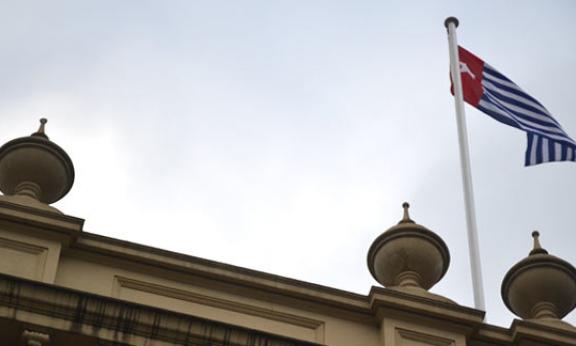
TRWP: Tanyakan kepada rakyat West Papua semuanya, apakah mereka paham ini, apakah mereka mempraktekkan politik dan diplomasi ala Melanesia? TRWP sudah buktikan itu di kawasan Melanesia. Mulai sejak tahun 2004 – 2013, selama sepuluh tahun ini sudah ada bukti-bukti yang terlihat. Sekarang ada politisi PNG yang bicara terbuka tentang Papua Merdeka, bahkan sampai Bendera Bintang Kejora bisa berkibar di Kantor Gubernur DKI Port Moresby. Ini pekerjaan siapa: PDP, DAP, MRP? Coba Anda ke lapangan, anggota TRWP ada di mana saat ini? Di perbatasan jaga nyamuk sama dengan yang dibuat prajurit TNI?

Kami tidak usah bicara terlalu mendalam, tetapi tanyakan kepada Dr. Otto Ondawame dan Mr. Andy Ayamiseba sebagai senior dalam tubuh OPM. Apa yang telah TRWP lakukan tahun 2004 di Vanuatu? Tanyakan kepada mereka bagaimana dukungan sampai hari ini telah tertanam dan berakar mendalam di dalam jiwa-raga orang Melanesia di sana sampai siapapun yang jadi Perdana Menteri di Vanuatu tetapi isunya mendukung Papua Merdeka? Isu Papua Merdeka di Vanuatu bukan lagi isu partai politik dan tokoh politik seperti dulu. Ini sudah jadi isu rakyat Vanuatu, isu Kepala Suku, isu Gereja-Gereja di Vanuatu. Itu yang harus kita buat di Papua New Guinea. Dan itu yang TRWP sedang lakukan di Vanuatu.

PMNews; Kalau apa yang dilakukan TRWP di Melanesia sudah sekian lama dan sudah sekian jauh, kenapa tidak diberitakan di media-media di Tanah Papua saja?

TRWP: Kami buat sesuatu bukan untuk disiarkan di media-media di Indonesia. Kami lakukan semua untuk kemerdekaan West Papua, bukan untuk disiarkan.

PMNews: Sekarang berkat perjuangan dari WPNCL, dan dukungan dari TRWP dan OPM para utusan MSG telah datang ke Tanah Papua di Bagian Barat, tetapi kami baca berita hari kemarian dan hari ini bahwa kemungkinan WPNCL diterima menjadi peninjau dan kemudian anggota MSG terhambat atau bakalan ditolak. Bagaimana pendapat Anda?

TRWP: Itu ulah negara Republik Federasi yang diproklamirkan dalam Kongres Rakyat Papua III, yang mengangkat Kepala Suku Forkorus Yaboisembut sebagai Presiden. Ada politisi dan diplomat Papua sampai hari ini yang bertindak dan berkata-kata terutama untuk mencari nama dan cari makan. Itu masih ada sampai hari ini.

Lihat saja, pada saat MSG sedang bertemu dan bangsa Papua sedang berdemo besar-besaran mendukung WPNCL, di tempa sidang sana masih ada yang menentang WPNCL.

Ini konyol, kesalahan Fatal. Presiden mereka, Mr. Yaboisembut seharusnya menegur bawahannya atau menterinya. Pak Yaboisembut itu Kepala Suku, dari Sabron Samon, jadi dia tahu tatakeramah orang Melanesia dalam berpolitik. Kenapa dia tunjuk diplomat yang tidak sopan seperti ini, yang tidak berbudaya Melanesia seperti ini? Itu konyol. Politisi dan diplomat yang mendatangkan malapetaka bagi bangsa yang sudah dirundung malang ini.

PMNews: Yang simaksud siapa?

TRWP: Saya tidak perlu menyebutnya. Anda tahu siapa. Itu pertanyaan salah itu.

PMNews: Minta maaf.

TRWP: Tidak apa-apa, itu biasa di dunia pemberitaan.

PMNews: Semua orang Papua menuduh Indonesia sebagai biang keladi kegagalan diplomasi bangsa Papua di Melanesia. Tetapi kelihatannya di sini pihak orang Papua sendiri yang dituduh?

TRWP: Sejak dari dulu sampai hari ini, kami harap besok tidak begitu, yang menjadi penghalang utama, penghambat sangat berarti dan batu sandungan bagi kemerdekaan bangsa Papua ialah orang Papua sendiri. Hal ini mengingatkan saya tentang ucapan Kepala Suku Amungme: Thom Beanal waktu Kongres Rakyat Papua II, 2000: “Musuh terbesar dan terutama orang Papua dalam menyuarakan dan menggolkan aspirasi bangsa Papua ialah orang Papua sendiri, bukan Indonesia.”

‘Selesaikan Masalah HAM atau Papua Keluar dari NKRI’

Manokwari (SULPA) – Pemerintah RI dinilai mengalihkan perhatian dunia soal pelanggaran HAM dengan hanya mempertemukan delegasi MSG (Melanesian Spearhead Group) dengan gubernur Papua, Lukas Enembe, SIP, MH.

‘’Ini disebabkan karena sebagaimana dinyatakan oleh Menteri Luar Marty Natalegawa bahwa persoalan yang mengganggu posisi Indonesia dalam konteks Papua di dunia internasional adalah pelanggaran HAM, terbatasnya akses media asing dan soal lingkungan,’’

kata Direktur Eksekutif LP3BH Manokwari, Yan Christian Warinussy, SH kepada SULUH PAPUA, Rabu (15/1/2014) di Manokwari, Papua Barat.

Jauh sebelumnya dalam Universal Periodic Revieuw (UPR) di Dewan HAM PBB (UN Human Rights Council) di Jenewa, Swiss secara tegas menunjukkan sekitar 176 negara di dunia mengemukakan pandangan dan pernyataan tegasnya yang menyoroti pelanggaran HAM di Tanah Papua yang dilakukan oleh Pemerintah Indonesia, baik yang terjadi secara sistematis maupun struktural.

Disamping itu, laporan dari Komnas HAM Asia (Asian Human Rights Commission) tentang tindakan pemusnahan etnis (genosida) di kawasan Pegunungan Tenga Papua (1977-1978).

Ia menyebutkan, bahwa Universitas Yale, Amerika Serikat pernah mengeluarkan laporan risetnya yang mendalam tentang terjadinya Genosida di Tanah Papua yang dilakukan oleh TNI dan POLRI.

‘’Hal ini sempat terungkap dalam pengakuan dari Mayor Jenderal Purnawirawan Sintong Panjaitan dalam Bukunya,” katanya.

Dalam buku berjudul “Pejalanan Seorang Prajurit Para Komando” yang ditulis oleh Hendro Subroto, disebutkan pengakuan sang jenderal menyangkut tindakan kekerasan yang dilakukan pasukannya, termasuk dalam upaya memenangkan Tindakan Pilihan Bebas (Act of Free Choice) atau Pepera.

Secara factual, jika dilakukan secara benar, maka hasilnya adalah 2:3 untuk untuk kemenangan pihak yang menginginkan Irian Barat (Papua) berdiri sendiri.

Warinussy mengatakan, sorotan terhadap permasalahan Papua juga dikemukakan Prof.Piter J.Drooglever dalam bukunya : “Een Daad Van Vrije Keuze, De Papoea’s van westelijk Nieuw-Guinea en de grenzen van het zelbeschikkingrecht atau Tindakan Pilihan Bebas, Orang Papua dan Penentuan Nasib Sendiri.

Dalam buku yang telah diterbitkan edisi Bahasa Indonesian diungkapkan mengenai terjadinya berbagai bentuk pelanggaran secara sistematis dan struktural yang dilakukan atas peran dan prakarsa Pemerintah Indonesia di bawah pimpinan mantan Presiden Ir.Soekarno waktu itu untuk mengintegrasikan Tanah Papua menjadi bagian dari Republik Indonesia.

Lembaga Ilmu Pengetahuan Indonesia (LIPI) menurut Warinussuy, di dalam hasil penelitian ilmuiahnya yang diberi judul Papua Road Map pada tahun 2009 telah menetapkan adanya 4 (empat) masalah utama di Tanah Papua, yaitu : pertama, marjinalisasi dan efek diskriminatif terhadap Orang Asli Papua. Kedua, kegagalan pembangunan di bidang pendidikan, kesehatan dan pemberdayaan ekonomi rakyat. ketiga, kontradiksi sejarah dan konstruksi identitas politik antara Papua dan Indonesia. Serta keempat, pertanggung-jawaban atas kekerasan negara di masa lalu terhadap Orang Asli Papua.

“Ujungnya LIPI menyarankan penyelesaian soal-soal tersebut diantaranya melalui Dialog Damai yang kini terus didorong bersama melalui Jaringan Damai Papua (JDP) di bawah Pimpinan Pater Neles Tebay,’’ katanya.

Sebagai pembela HAM di Tanah Papua,Warinussy juga menilai kunjungan delegasi Menlu MSG yang hanya diwakili Menlu PNG, Solomon Island, Fiji dan Kelompok Perjuangan Etnis Kanaky di Jayapura itu justru terjadi bersamaan dengan terus terjadinya pelanggaran HAM secara sistematis dan strukrural di Tanah Papua.

Hal itu antara lain dalam bentuk terjadinya penangkapan terhadap sekitar 46 orang aktivis pro Perjuangan Papua yang sedang berorasi dan berdemo damai di halaman Kantor DPR Papua yang langsung ditangkap oleh aparat keamanan dari Polda Papua.

Juga secara struktural menurut Warinussy,terjadi tindakan memangkas agenda pertemuan para Menlu MSG tersebut dengan perwakilan kelompok-kelompok perjuangan politik yang pro-Papua Merdeka diantaranya dengan perwakilan dari West Papua National Coalition for Liberation (WPNCL) di Jayapura.

Kondisi ini jelas telah menciderai semangat para Pemimpin MSG dalam Komunikenya pada Juni 2013 lalu di Noumea yang menyatakan keprihatinan dan kekwatiran mereka terhadap situasi pelanggaran HAM sesama etnis Melanesia di Tanah Papua Barat.

“Berkenaan dengan itu, maka saya ingin mendesak Pemerintah Indonesia untuk secara dewasa, arif dan bijaksana ke depan mau membuka diri untuk menerima kritikan dan memberi ruang demokrasi yang lebih luas bagi Orang Asli Papua untuk menyuarakan aspirasi dan pandangan politiknya yang berbeda berdasarkan hukum dan prinsip-prinsi HAM yang berlaku universal,’’

tandasnya.

Pemerintah juga harus bisa menyelesaikan segenap kasus pelanggaran HAM yang telah terjadi sejak Tahun 1963 hingga hari ini dengan menggelar peradilan HAM yang jujur, terbuka dan fair untuk mengadilin dan menjatuhkan hukuman bagi mereka-mereka yang nyata-nyata terindikasi merupakan pelaku-pelaku lapangan maupun pemegang kendali operasi keamanan yang pernah berlangsung di Tanah Papua dahulu.

“Jika Pemerintah Indonesia tidak segera merubah cara pandangnya atas langkah penyelesaian pelanggaran HAM di Tanah Papua serta usulan penyelesaian melalui Dialog Damai, maka saya sangat yakin bahwa Papua akan keluar karena masalah hak asasi manusia sebagaimana halnya Timor Timur. Jangan lupa bahwa ada seorang penulis orang asli Indonesia sudah memprediksi dalam bukunya terbitan tahun 2011 bahwa jika soal HAM tidak diselesaikan oleh Pemerintah Indonesia, maka Negara ini akan “pecah” pada tahun 2015, atau satu tahun dari sekarang ini,’’

tambahnya.

Thursday, 16-01-2014, SulPa

Up ↑

Wantok COFFEE

Organic Arabica - Papua Single Origins

MAMA Minimart

MAMA Stap, na Yumi Stap!

PT Kimarek Aruwam Agorik

Just another WordPress.com site

Wantok Coffee News

Melanesia Foods and Beverages News

Perempuan Papua

Melahirkan, Merawat dan Menyambut

UUDS ULMWP

for a Free and Independent West Papua

UUDS ULMWP 2020

Memagari untuk Membebaskan Tanah dan Bangsa Papua!

Melanesia Spirit & Nature News

Promoting the Melanesian Way Conservation

Kotokay

The Roof of the Melanesian Elders

Eight Plus One Ministry

To Spread the Gospel, from Melanesia to Indonesia!

Koteka

This is My Origin and My Destiny